

Subdural Hematoma | Medical Malpractice
Medical Malpractice Lawyer Represents Injured Plaintiffs Nationwide in Hospital Negligence Lawsuits


.avif)



Failure to Diagnose Subdural Hematoma Lawsuits
When doctors fail to recognize the symptoms or order proper imaging, the consequences can be catastrophic. A delayed or missed diagnosis may result in permanent brain damage or death.
Victims and families affected by this type of medical negligence may have grounds to file a subdural hematoma misdiagnosis lawsuit. The Lyon Firm represents patients nationwide who have suffered severe injuries due to diagnostic errors and delayed treatment.
Subdural hematomas form when a head injury causes blood to accumulate within the brain or between the brain and the skull and can be acute or chronic. Rapid bleeding after a severe head injury can cause acute subdural hematomas.
An acute subdural hematoma is among the deadliest of all head injuries. The bleeding fills the brain area very rapidly and compresses brain tissue. It is critical to treat these conditions promptly. Delay in Diagnosis and misdiagnosis can lead to permanent injury or death.
This often results in brain injury or death. Subdural hematomas can also occur after minor head injuries, especially in the elderly. These may go unnoticed for long periods of time. These are called chronic subdural hematomas. Chronic subdural hematomas can develop over weeks, months, or even years. By the time symptoms occur, a hematoma may be very large.
Joe Lyon is a highly-rated Hospital Error Lawyer and Catastrophic Injury Lawyer reviewing subdural hematoma medical malpractice and hematoma misdiagnosis cases nationwide.
What are the Risk Factors?
The following increase your risk for a subdural hematoma:
• Anticoagulant medication (blood thinners, including aspirin)
• Long-term abuse of alcohol
• Medical conditions that make your blood clot poorly
• Recurrent falls
• Repeated head injury
• Very young or very old age
Chronic subdural hematomas are more common among people with alcoholism, or older people who are relatively prone to falls as well as bleeding. These injuries can lead to small subdural hematomas that may become chronic.
Nurses and physicians should be able to diagnose specific head injuries. Subdural Hematoma medical malpractice may occur if medical professionals misdiagnose hematomas, fail to diagnose or delay in diagnosing the proper head injury, leading to permanent injury or death.
Understanding Subdural Hematomas
A subdural hematoma occurs when veins between the surface of the brain and the dura mater rupture, allowing blood to collect and put pressure on the brain. This can occur from traumatic brain injury (TBI) incidents like car accidents, falls, or sports injuries. However, it can also appear spontaneously in patients taking blood-thinning medication or with clotting disorders.
The condition may be classified as:
- Acute Subdural Hematoma: Develops rapidly after a severe head injury; often a medical emergency.
- Chronic Subdural Hematoma: Forms slowly over days or weeks after minor trauma; symptoms can be subtle and easily overlooked.
Symptoms of Subdural Hematoma
Symptoms may occur depending on which area of the brain is damaged. Chronic subdural hematomas are more difficult to diagnose because of the length of time between the injury and the development of symptoms. They often cause gradual confusion and memory loss, symptoms similar to those of dementia. Other symptoms may include:
• Confused speech
• Difficulty with balance or walking
• Headache
• Nausea and vomiting
• Numbness
• Seizures
• Slurred speech
• Increased sleepiness or lethargy
• Irritability
• Persistent vomiting
• Loss of consciousness
• Visual disturbance
• Weakness
Subdural Hematoma Medical Malpractice
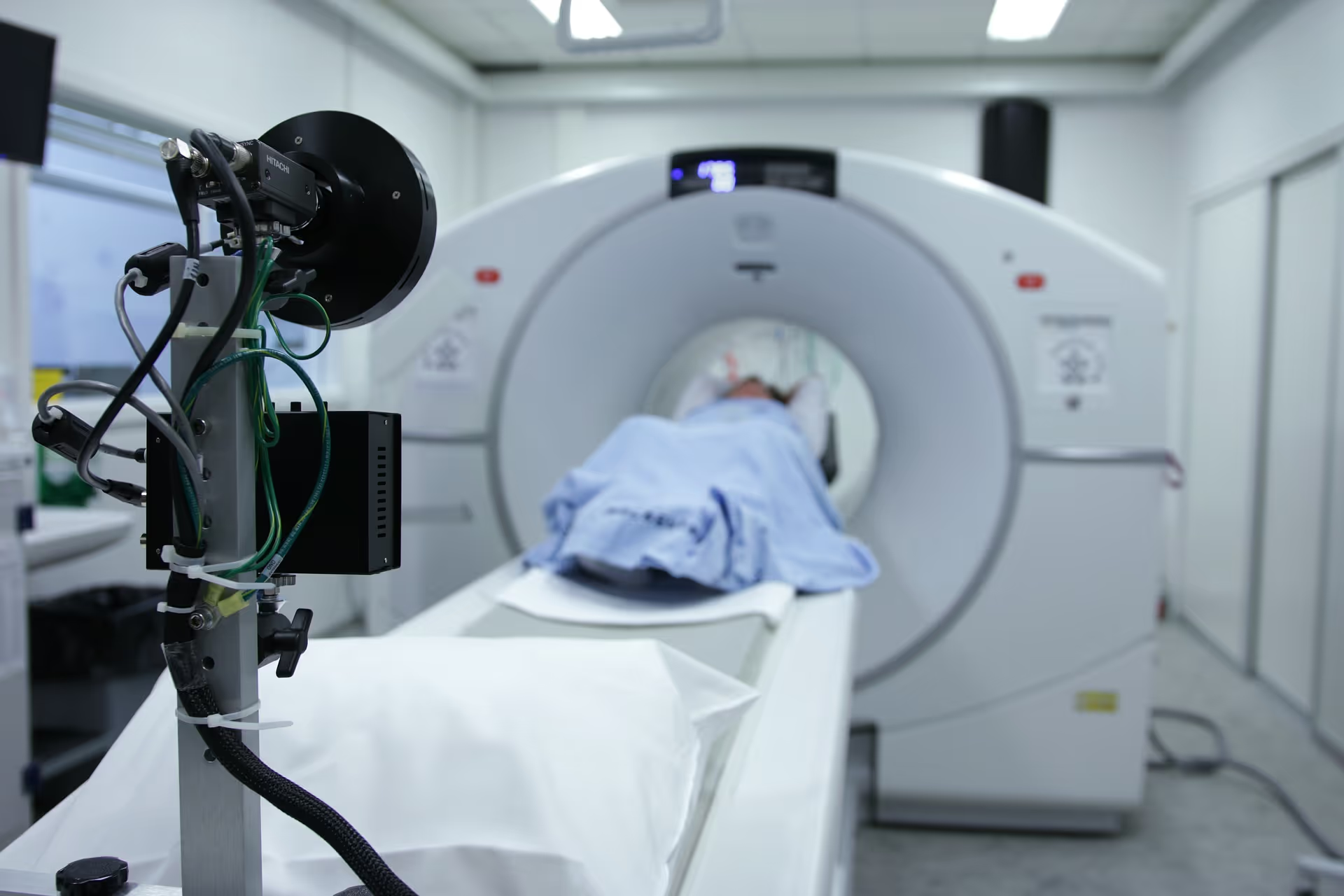
After a head injury a medical exam should include a complete neurologic exam. A CT or MRI scan can evaluate the presence of a subdural hematoma. Treatment depends on the type and size of the hematoma, as well as how much pressure has built up in the brain. When nurses and doctors fail to diagnose or delay in diagnosing a serious brain injury, they may be targeted in subdural hematoma medical malpractice lawsuits.
Acute subdural hematomas have high rates of death and injury. Only about 50 percent of people who are treated for a large acute subdural hematoma survive.
Chronic subdural hematomas have better outcomes in most cases. People who are treated for a chronic subdural hematoma usually improve.
Often, small subdural hematomas in adults do not require treatment because the blood is absorbed on its own. If a subdural hematoma is large, however, and is causing symptoms, doctors usually operate. Symptoms often go away after the blood collection is drained.
Following surgery, a period of rehabilitation is sometimes needed to assist the person back to his or her usual level of functioning. Possible long-term complications may include:
• Memory loss
• Dizziness
• Headache
• Anxiety
• Difficulty concentrating
• Seizures
• Weakness
• Numbness
• Difficulty speaking
Why Hire The Lyon Firm
The Lyon Firm has extensive experience handling medical malpractice and brain injury lawsuits, including cases involving subdural hematoma misdiagnosis. The firm’s approach combines compassionate client advocacy with a deep understanding of complex medical evidence.
Experienced. Compassionate. Consumer Advocates
The Lyon Firm is a Cincinnati, Ohio-based law firm, representing individuals nationwide in class action, product liability, and toxic exposure litigation.

Handling Complex Data Privacy & Cyber Security Cases
Request A Free Consultation Now

.avif)
The Dangers of Misdiagnosis
Misdiagnosis or delayed diagnosis of a subdural hematoma can have devastating outcomes. According to the National Institutes of Health (NIH), patients with untreated intracranial bleeding can suffer irreversible neurological damage or death within hours.
Common medical errors that lead to subdural hematoma misdiagnosis include:
- Failure to order a CT scan or MRI after head trauma
- Misinterpreting radiology results
- Discharging patients without adequate observation
- Ignoring neurological symptoms such as confusion or lethargy
- Attributing symptoms to alcohol use, migraine, or psychiatric issues
Medical Malpractice Lawsuits
Request a Free Consultation
Taking the first step doesn’t have to be complicated. In just a few minutes, you can share the basics of your case, and our team will guide you from there:
- It begins with a few simple questions about your situation.
- From there, a member of our legal team reviews your case.
- Together, we’ll chart the path forward, helping you take the next step toward resolution.
