

Wisconsin Railroad Cancer Lawsuits | Toxic Diesel Exposure
FELA Attorney Filing Wisconsin Railroad Cancer Lawsuits


.avif)


.avif)
Wisconsin Diesel Exhaust Toxic Exposure
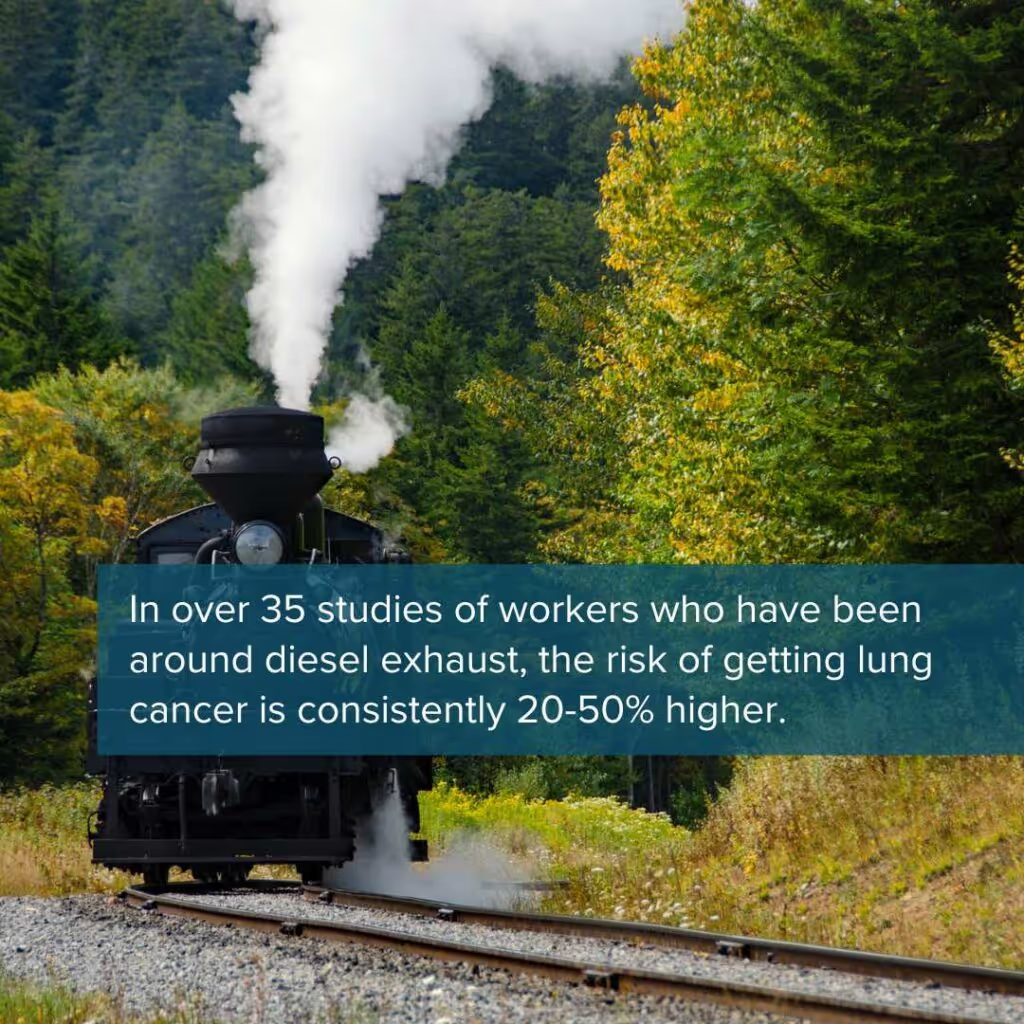
For decades, Wisconsin railroad workers have faced daily exposure to toxic materials in their workplace, posing significant health and cancer risks. Diesel exhaust from locomotives releases benzene and fine particulates, inhaled during maintenance or operations. Diesel exposure is linked to lung cancer, esophageal cancer, bladder cancer, stomach cancer and a number of other lung diseases.
Railroaders have also been bombarded with several other toxins like creosote, pesticides, solvents, paints, silica dust, welding fumes and asbestos. Poor ventilation in rail shops and inadequate protective gear amplify toxic exposure for engineers, diesel mechanics, electricians, pipefitters, painters, maintenance of way staff, trackmen, carmen and others.
How Are Wisconsin Railroad Workers Exposed to Toxins?
Wisconsin Railroad workers perform a variety of tasks essential to maintaining and operating rail systems, many of which expose them to toxic materials like asbestos, creosote, benzene, diesel, silica, welding fumes and herbicides. These exposures stem from the nature of their work environment and the materials used in rail operations, posing significant health risks over time. Below are key tasks that could lead to such toxic exposures.
Maintenance and Repair of Locomotives
Railroad staff tasked with maintaining and repairing locomotives are frequently exposed to diesel exhaust. Diesel mechanics and technicians work near idling engines, inhaling diesel and fine particulate matter linked to lung cancer and respiratory diseases. Cleaning engine parts with solvents, such as those containing volatile organic compounds (VOCs), further increases exposure, potentially causing liver, kidney, or neurological damage with prolonged contact.
Track Maintenance and Ballast Work
Workers repairing or replacing tracks handle ballast rock, which generates silica dust when crushed or ground. Inhaling this dust without proper respiratory protection can lead to silicosis, a progressive lung disease, and elevate lung cancer risk. Additionally, applying herbicides and pesticides along tracks to control vegetation exposes workers to chemicals like glyphosate, associated with non-Hodgkin lymphoma, through skin contact or inhalation during spraying tasks.
Handling Treated Railroad Ties
Installing or replacing wooden railroad ties treated with coal tar pitch or creosote puts railroaders at risk of exposure to these carcinogenic preservatives. Handling rail ties, especially in poorly ventilated work shops, releases polycyclic aromatic hydrocarbons (PAHs) into the air, which can be inhaled or absorbed through the skin, increasing the likelihood of lung cancer and liver damage over time.
Cleaning and Degreasing Equipment
Tasks involving the cleaning and degreasing of railcars, tools, and machinery often require solvents containing benzene or other VOCs. Workers performing these duties, particularly in enclosed shops with inadequate ventilation, face repeated inhalation or skin exposure, heightening risks of leukemia, blood disorders, and organ damage.
Freight Handling and Loading/Unloading
Railroaders involved in loading or unloading risky freight, such as hazardous chemicals or industrial materials, may encounter spills or leaks. Without proper protective gear, they could be exposed to a range of toxins, including benzene from fuel transport or other chemical residues, amplifying cancer and respiratory risks. Welding, pipefitting and electrical work may also present their own unique safety risks.
These tasks, often performed without sufficient protective equipment or ventilation—especially in older rail yards that may contain asbestos—compound the danger. The long-term cumulative effect of these exposures, combined with long latency periods for related diseases like cancer, underscores the need for enhanced safety measures and awareness among Wisconsin railroad workers.

The Lyon Firm is reviewing diesel exhaust cancer claims for former railroaders who worked in the following rail yards in Wisconsin:
- Altoona: Altoona Yard (UP)
- Butler: Butler Yard (UP)
- Fond du Lac: Shops Yard (CN)
- Green Bay: Green Bay Yard (CN)
- Janesville: Janesville Yard (WSOR)
- La Crosse: La Crosse Yard (BNSF)
- La Crosse: La Crosse Yard (CPKC)
- Madison: Madison Yard (WSOR)
- Milwaukee: Mitchell Street Yard
- Milwaukee: North Milwaukee Yard (WSOR)
- Milwaukee: Muskego Yard (CPKC)
- Milwaukee: National Avenue Yard
- Neenah: Neenah Yard (CN)
- Portage: Portage Yard (CPKC)
- Stevens Point: Stevens Point Yard (CN)
- Superior: 28th Street Yard (BNSF)
- Superior: Allouez Yard (BNSF)
- Superior: Itasca Yard (UP)
- Superior: Old Town Yard (BNSF)
- Superior: Pokegama Yard (CN)
- Superior: Stinson Yard (CPKC)
- Wausau: Wausau Yard (CN)
- Wisconsin Rapids: Wisconsin Rapids Yard (CN)
What Can Plaintiffs Recover in Railroad Cancer Lawsuits?
The Lyon Firm can assess your individual case and determine what damages can be sought by former workers and their families. In the past, we have been able to successfully negotiate compensation packages that can include the following:
- Compensation for all medical expenses, including specialist consultations, hospital visits and treatment programs
- Coverage for related medication, surgeries and rehab
- All related medical costs not fully covered by your basic health insurance
- Expenses related to follow-up therapy and long-term disability
- Lost earnings if a worker has to stop working due to an occupational illness or injury
- Loss of future earnings if a worker cannot return to the same position in the same capacity.
- Pain and suffering
- Emotional distress
- Reduced quality of life
- Wrongful death
What Cancers Are Linked to Diesel Exposure?
There are numerous occupational illnesses that have strong links to exposure to solvents, silica dust, asbestos, diesel exhaust, benzene, creosote and welding fumes, including the following medical conditions:
- Lung Cancer
- Bladder Cancer
- Esophageal Cancer
- Nasopharyngeal Cancer
- Stomach Cancer
- Kidney Cancer
- Acute Myeloid Leukemia (AML)
- Myelodysplastic Syndrome (MDS)
- Acute Lymphocytic Leukemia (ALL)
- Chronic Lymphocytic Leukemia (CLL)
- Non-Hodgkin’s Lymphoma
- Multiple Myeloma
- Aplastic Anemia
- COPD (Chronic Obstructive Pulmonary Disease)
- Emphysema
- RADS (Reactive Airways Dysfunction Syndrome)
- Interstitial Lung Disease
- Pulmonary Fibrosis
Despite better oversight by NIOSH and OSHA that have improved work safety standards, there is still a high risk of toxic exposure at rail yards due to the amount of hazardous substances on site. Acute and chronic toxic exposures are still probable in many cases.
Injured railroad workers can file a Federal Employers’ Liability Act (FELA) injury claim, provided they meet specific eligibility criteria. Enacted in 1908, FELA is a federal law designed to protect railroad employees by allowing them to sue their employers for work-related injuries or illnesses caused by negligence.
Which Wisconsin Railroad Workers Are at Cancer Risk?
Almost any individual working day after day in a rail yard can be exposed to diesel fuel exhaust and countless other known carcinogens. Many have worked in badly ventilated roundhouses and workshops.
Maintenance Workers are at high risk, repairing locomotives and tracks. Mechanics inhale diesel fumes containing benzene, while those handling ballast rock breathe silica dust, leading to lung diseases. They also use solvents for cleaning, increasing exposure to volatile organic compounds (VOCs).
Track Workers face toxins during track maintenance and tie replacement. Grinding ballast generates silica dust, and handling creosote-treated ties releases carcinogenic polycyclic aromatic hydrocarbons (PAHs). Applying pesticides along tracks adds further risks from chemicals like glyphosate.
Freight Handlers encounter toxic materials when loading or unloading hazardous cargo. Spills or leaks from chemical transports can expose them to benzene or other residues, heightening cancer and respiratory risks, especially without protective gear.
Yard Engineers and Conductors operate trains in areas with heavy diesel exhaust, inhaling benzene and particulates during idling or shunting. Prolonged exposure in poorly ventilated spaces like a train cab increases their vulnerability to lung cancer and chronic respiratory issues.
Cleaning Crews tasked with degreasing equipment or maintaining yard facilities use solvents, exposing them to VOCs through inhalation or skin contact. This can lead to organ damage or neurological effects over time.
Why Hire The Lyon Firm?
It is critical to carefully consider your legal representation in these types of cases because you may require the best industry experts to testify on your behalf. It is complex litigation, and you will need an experienced professional to not only build the strongest case possible but to also negotiate on your behalf for the best possible settlement terms.
The Lyon Firm has two decades of experience in filing workplace injury and toxic exposure lawsuits. We have settled numerous six and seven-figure cases for workers nationwide. When your health and future are on the line, it is prudent to choose the best legal counsel available. We have the resources, the dedication and the experience to take your case and reach a fair settlement. We work on a contingency fee basis, guide you through the legal process and assume all financial risks.
Handling Complex Data Privacy & Cyber Security Cases
Request A Free Consultation Now

.jpg)
Eligibility for a FELA Claim
- Employment Status: You must be employed by a railroad company engaged in interstate commerce. This includes workers like engineers, conductors, maintenance staff, and yard workers, but typically excludes employees of companies that only handle intrastate rail operations.
- Work-Related Injury or Illness: The injury or illness must arise from your job. This can include physical injuries or occupational diseases (cancer from toxic exposure like diesel fumes, benzene, silica or asbestos).
- Employer Negligence: You need to show that the railroad’s negligence contributed to your injury. This could involve unsafe working conditions, lack of proper equipment, inadequate training, or failure to address known hazards.
Wisconsin Railroad Cancer FAQ

Studies, including those from the National Institute for Occupational Safety and Health (NIOSH), have shown that railroad workers face higher cancer incidence rates compared to the general population.
A 2019 NIOSH report found that rail workers had a 30-40% increased risk of lung cancer, attributed to chronic exposure to diesel exhaust. The IARC classifies diesel exhaust as a Group 1 carcinogen, with benzene—a key component—also linked to leukemia and lymphoma.
A 2021 study in Environmental Health Perspectives followed railroad workers for 20 years, finding a doubled risk of lung cancer among those with long-term diesel exposure. Another analysis by the National Cancer Institute (NCI) noted elevated leukemia rates among maintenance workers exposed to benzene. These findings align with historical data, like a 1997 study showing mesothelioma cases among rail workers handling asbestos-laden materials.
Many workers may think they knew the risks of working in the railroad industry, which has always had a spotty safety record. But if a company was negligent in safety training, and failed to provide basic safety equipment, they can be held accountable for any injury or illness that results. Families work hard to make ends meet and when an occupational illness makes it impossible to work any longer, compensation becomes necessary, perhaps with the help of a railroad cancer attorney.
- Altoona: Altoona Yard (UP)
- Butler: Butler Yard (UP)
- Fond du Lac: Shops Yard (CN)
- Green Bay: Green Bay Yard (CN)
- Janesville: Janesville Yard (WSOR)
- La Crosse: La Crosse Yard (BNSF)
- La Crosse: La Crosse Yard (CPKC)
- Madison: Madison Yard (WSOR)
- Milwaukee: Mitchell Street Yard
- Milwaukee: North Milwaukee Yard (WSOR)
- Milwaukee: Muskego Yard (CPKC)
- Milwaukee: National Avenue Yard
- Neenah: Neenah Yard (CN)
- Portage: Portage Yard (CPKC)
- Stevens Point: Stevens Point Yard (CN)
- Superior: 28th Street Yard (BNSF)
- Superior: Allouez Yard (BNSF)
- Superior: Itasca Yard (UP)
- Superior: Old Town Yard (BNSF)
- Superior: Pokegama Yard (CN)
- Superior: Stinson Yard (CPKC)
- Wausau: Wausau Yard (CN)
- Wisconsin Rapids: Wisconsin Rapids Yard (CN)
Railroad Lung Cancer Lawsuits
Request a Free Consultation
Taking the first step doesn’t have to be complicated. In just a few minutes, you can share the basics of your case, and our team will guide you from there:
- It begins with a few simple questions about your situation.
- From there, a member of our legal team reviews your case.
- Together, we’ll chart the path forward, helping you take the next step toward resolution.
