

Utah Railroad Cancer Lawsuits | FELA Injury Lawyer
FELA Injury Lawyer Filing Utah Diesel Cancer Claims


.avif)



Utah FELA Injury Claims
Chronic exposure to diesel smoke and other toxins at a rail yard significantly increases cancer risk due to the carcinogenic properties of toxic substances like benzene, asbestos, silica, welding fumes, solvents, and herbicides. Diesel exhaust contains benzene, a known carcinogen, and fine particulate matter that penetrate deep into the lungs. Railroad workers, like engineers, trackmen, diesel mechanics and maintenance staff, inhale these fumes daily, especially in poorly ventilated areas.
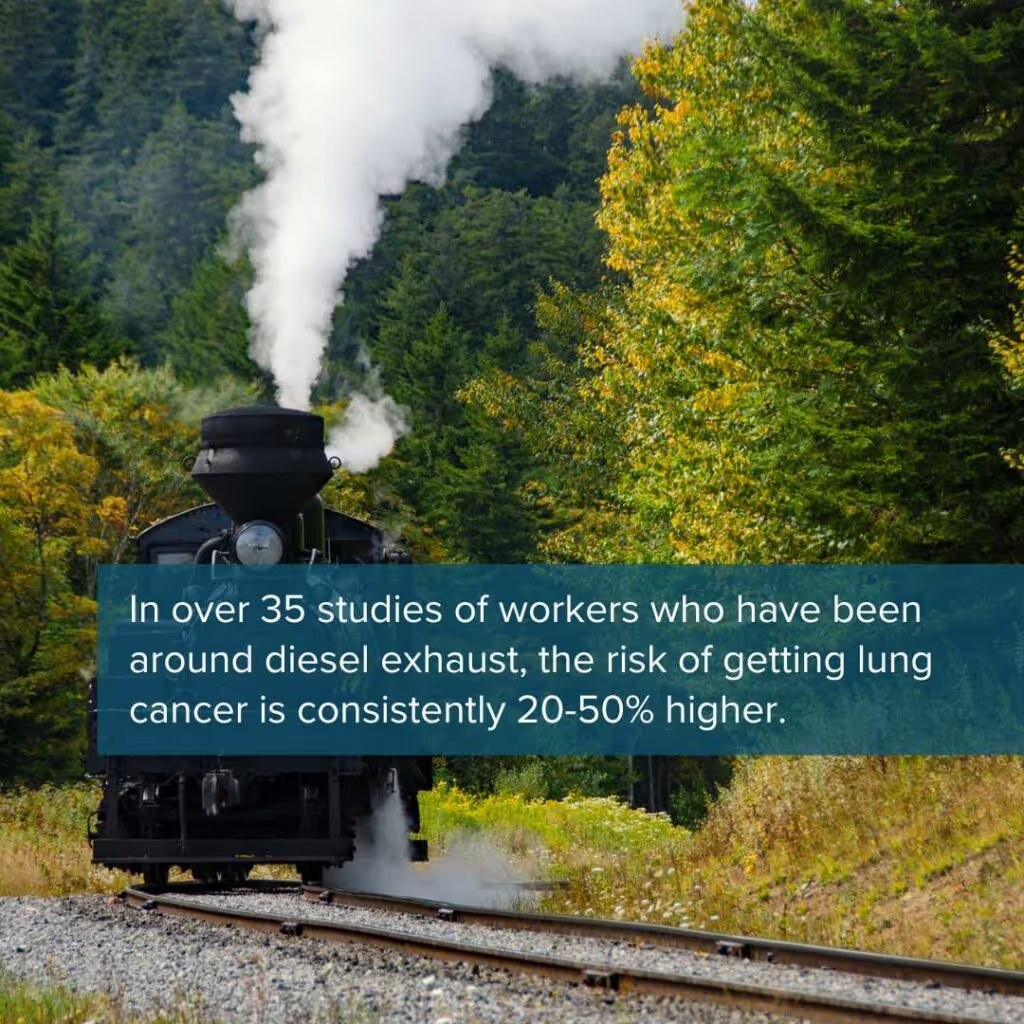
Over time, this exposure triggers chronic inflammation and DNA damage, elevating the likelihood of lung cancer and bladder cancer. Studies from the National Institute for Occupational Safety and Health (NIOSH) show a 30-40% higher lung cancer risk among exposed workers. Lack of protective gear amplifies this hazard, making long-term monitoring essential.
Utah Railroad workers have faced chronic exposure to diesel fumes, creosote, solvents, benzene, asbestos, silica, welding fumes and pesticides. As a result, many former Utah railroad workers have filed FELA injury and diesel cancer lawsuits against negligent employers.
How Are Utah Railroaders Exposed to Diesel Exhaust?
- Long-time railroaders, especially engineers, conductors, and maintenance workers, have been exposed to diesel exhaust from idling locomotives and heavy machinery. Inhaling these fumes, rich in benzene and particulates, happens during operations or repairs in enclosed or poorly ventilated spaces.
- Creosote: Workers handling or replacing creosote-treated wooden railroad ties absorb or inhale polycyclic aromatic hydrocarbons (PAHs) through skin contact or airborne release during cutting or installation, particularly in warm weather.
- Benzene: Present in diesel fuel and solvents, benzene exposure occurs when railroaders refuel trains, clean equipment, or degrease parts, often without adequate ventilation, leading to inhalation or skin absorption.
- Welding Fumes: Maintenance crews welding tracks or railcars release fumes containing manganese, chromium, and nickel.
- Asbestos is commonly found in older insulation, locomotive brake linings, and roundhouses. Asbestos fibers can be released when disturbed during repairs or demolition, inhaled by workers handling older equipment or structures.
- Pesticides: Track workers applying or working near pesticide-treated areas (e.g., glyphosate) inhale or absorb these chemicals through skin contact during vegetation control, risking exposure in open or windy conditions.
- Silica Dust: Generated when grinding or crushing ballast rock during track maintenance, silica dust is inhaled by workers without masks, especially in dry or dusty environments.
- Toxic Paint: Painters or maintenance staff using lead- or chromium-based paints on railcars or structures inhale volatile compounds or absorb them through skin, particularly during sanding or spraying without protective gear.
These exposures are worsened by inadequate ventilation, lack of personal protective equipment (PPE), and prolonged task durations, increasing the risk of chronic health issues like cancer or respiratory diseases.

The Lyon Firm is reviewing diesel exhaust cancer claims for former railroaders who worked in the following rail yards in Utah:
- Helper: Helper Yard (UP)
- Midvale: Midvale Yard (BNSF/Utah Southern)
- Provo: Provo Yard (UP/BNSF)
- Ogden: Riverdale Yard (UP/Utah Central)
- Salt Lake City: North Yard (UP)
- Salt Lake City: Roper Yard (UP)
What Can Plaintiffs Recover in Railroad Cancer Lawsuits?
The Lyon Firm can assess your individual case and determine what damages can be sought by former workers and their families. In the past, we have been able to successfully negotiate compensation packages that can include the following:
- Compensation for all medical expenses, including specialist consultations, hospital visits and treatment programs
- Coverage for related medication, surgeries and rehab
- All related medical costs not fully covered by your basic health insurance
- Expenses related to follow-up therapy and long-term disability
- Lost earnings if a worker has to stop working due to an occupational illness or injury
- Loss of future earnings if a worker cannot return to the same position in the same capacity.
- Pain and suffering
- Emotional distress
- Reduced quality of life
- Wrongful death
When are Railroaders Exposed to Toxins?
- Locomotive Maintenance and Repair
- Materials: Diesel exhaust (benzene), asbestos (in older components), solvents (benzene).
- Risk: Mechanics and technicians working on engines inhale benzene-laden diesel fumes and disturb asbestos in legacy insulation or brake linings, linked to lung cancer, leukemia, and mesothelioma.
- Track Maintenance and Ballast Grinding
- Materials: Silica dust, creosote (PAHs).
- Risk: Workers grinding ballast rock or handling creosote-treated ties inhale silica dust (lung cancer, silicosis) and PAHs (skin and lung cancer), especially without respiratory protection.
- Freight Loading and Unloading of Hazardous Materials
- Materials: Benzene (from fuel transport), asbestos (in cargo packaging).
- Risk: Handlers exposed to spills or disturbed asbestos in industrial freight face increased leukemia and mesothelioma risks.
- Welding and Metal Fabrication
- Materials: Welding fumes (chromium, nickel).
- Risk: Welders inhaling fumes during track or railcar repairs are at higher risk for lung cancer due to heavy metal exposure.
- Application of Pesticides Along Tracks
- Materials: Pesticides (glyphosate).
- Risk: Maintenance of way workers spraying or working near treated areas inhale or absorb glyphosate, linked to non-Hodgkin lymphoma.
- Painting and Surface Preparation
- Materials: Toxic paint (lead, chromium).
- Risk: Painters sanding or spraying railcars inhale volatile compounds, raising risks of lung and other cancers.
- Demolition or Renovation of Older Structures
- Materials: Asbestos.
- Risk: Workers disturbing asbestos in old buildings or equipment inhale fibers, leading to mesothelioma and lung cancer.
What Cancers Are Linked to Diesel Exposure?
There are numerous occupational illnesses that have strong links to exposure to solvents, silica dust, asbestos, diesel exhaust, benzene, creosote and welding fumes, including the following medical conditions:
- Lung Cancer
- Bladder Cancer
- Esophageal Cancer
- Nasopharyngeal Cancer
- Stomach Cancer
- Kidney Cancer
- Acute Myeloid Leukemia (AML)
- Myelodysplastic Syndrome (MDS)
- Acute Lymphocytic Leukemia (ALL)
- Chronic Lymphocytic Leukemia (CLL)
- Non-Hodgkin’s Lymphoma
- Multiple Myeloma
- Aplastic Anemia
- COPD (Chronic Obstructive Pulmonary Disease)
- Emphysema
- RADS (Reactive Airways Dysfunction Syndrome)
- Interstitial Lung Disease
- Pulmonary Fibrosis
Despite better oversight by NIOSH and OSHA that have improved work safety standards, there is still a high risk of toxic exposure at rail yards due to the amount of hazardous substances on site. Acute and chronic toxic exposures are still probable in many cases.
After a confirmed lung disease or cancer diagnosis, Utah railroaders may be able to file Federal Employers Liability Act (FELA) injury claims. If more compensation is necessary to ensure a stable financial future, a personal injury lawsuit may also be considered. Contact our FELA Injury and railroad cancer lawyers to discuss your legal options.
Experienced. Compassionate. Consumer Advocates
The Lyon Firm is a Cincinnati, Ohio-based law firm, representing individuals nationwide in class action, product liability, and toxic exposure litigation.

Handling Complex Data Privacy & Cyber Security Cases
Request A Free Consultation Now

.avif)
Do I Have a Good Case?
Railroad cancer lawsuits can be pretty straightforward, and rail companies typically want to avoid high-profile, dragging litigation that can take years to resolve with a jury trial. That is why occupational cancer cases usually settle with favorable compensation packages set up for plaintiffs. Of course each individual case is different, but if you worked at a rail yard for years and you were constantly exposed to toxic materials that have been linked to cancer in medical literature, you have a good case. Call us to review your work history and medical records, and to draw a clear connection between a toxic exposure and a related medical condition.
Utah Diesel Cancer FAQ

Railroad safety experts have noted that there are health concerns around exposure to solvents, silica dust, asbestos, welding fumes, creosote, diesel fumes and the following benzene-containing products:
- Varsol (mineral spirit)
- Liquid Wrench (penetrating solvent)
- Safety-Kleen Parts Washer
- Safety-Kleen Solvent
- Gasket adhesives and glues
- CRC Brake and Carb Cleaners
- Gasoline
- Cutting fluids
- Lubricants
- Paints and paint thinners
Cancer often brings substantial financial and personal burdens—medical treatments, lost wages, and ongoing care can drain savings. A lawsuit, particularly under laws like the Federal Employers’ Liability Act (FELA) for railroad workers, can secure compensation for these expenses.
If your cancer resulted from workplace exposure to toxins like benzene, asbestos, or diesel fumes—due to employer negligence (e.g., lack of protective gear or poor ventilation)—a lawsuit can hold them responsible. Proving even slight negligence under FELA can force companies to address unsafe conditions, protecting current and future workers.
Cancer from occupational exposure often has a long latency period, meaning symptoms may appear decades after the damage is done. A lawsuit can provide resources for ongoing treatment and support, ensuring you’re not left to bear the full weight alone, especially if the illness ends your career.
Many FELA attorneys, including our lawyers at The Lyon Firm, handle these cases on a contingency basis, meaning no upfront costs—you only pay if you win.
Statutes of limitations, typically three years from when you knew or should have known the cancer was work-related (e.g., diagnosis date), mean you must act quickly. Delaying could forfeit your legal rights, especially for latent conditions.
Beyond the rightful compensation, a lawsuit offers a sense of justice, addressing the emotional toll of a preventable illness. It can also raise awareness, pushing for industry-wide safety reforms.
If you suspect your job caused your cancer, consult our railroad cancer lawyers specializing in occupational lung diseases. They can assess your case—work history or medical records—and turn a devastating diagnosis into a chance for redress and change.
Helper: Helper Yard (UP)
Midvale: Midvale Yard (BNSF/Utah Southern)
Provo: Provo Yard (UP/BNSF)
Ogden: Riverdale Yard (UP/Utah Central)
Salt Lake City: North Yard (UP) (Closed April 2019)
Salt Lake City: Roper Yard (UP)
Railroad Lung Cancer Lawsuits
Request a Free Consultation
Taking the first step doesn’t have to be complicated. In just a few minutes, you can share the basics of your case, and our team will guide you from there:
- It begins with a few simple questions about your situation.
- From there, a member of our legal team reviews your case.
- Together, we’ll chart the path forward, helping you take the next step toward resolution.
