

Montana FELA Lawsuits | Railroad Diesel Cancer Attorney
Diesel Cancer Lawyer Filing Montana Railroad Injury Claims


.avif)



FELA Railroad Injury Attorney
For decades, rail yard workers in Montana have faced significant occupational hazards due to chronic exposure to toxic substances, elevating their risk of developing cancers and lung diseases. BNSF Railway is now largely operating the state’s rail infrastructure, spanning over 3,300 miles, following the Montana Rail Link (MRL) integration in 2024. BNSF has a duty to protect all workers with proper safety training and protective equipment.
Rail workers in Montana and almost every other state have been exposed to carcinogens like diesel exhaust, asbestos, creosote, silica dust, benzene, welding fumes, pesticides, and toxic paints. Any worker in a Montana rail yard—in Laurel, Missoula, Billings, Bozeman, Helena, or Livingston—may have faced chronic toxic exposure and later been diagnosed with a work-related cancer. Contact our experienced FELA lawyers to discuss your unique situation and to learn more about the legal process.
Understanding Toxic Exposures in Montana Rail Yards
There are a number of toxic substances on site in most rail yards, and some workers have some exposure to several carcinogenic materials in a single day of work. Below are some of the more common chemicals and exposure risks at rail yards:
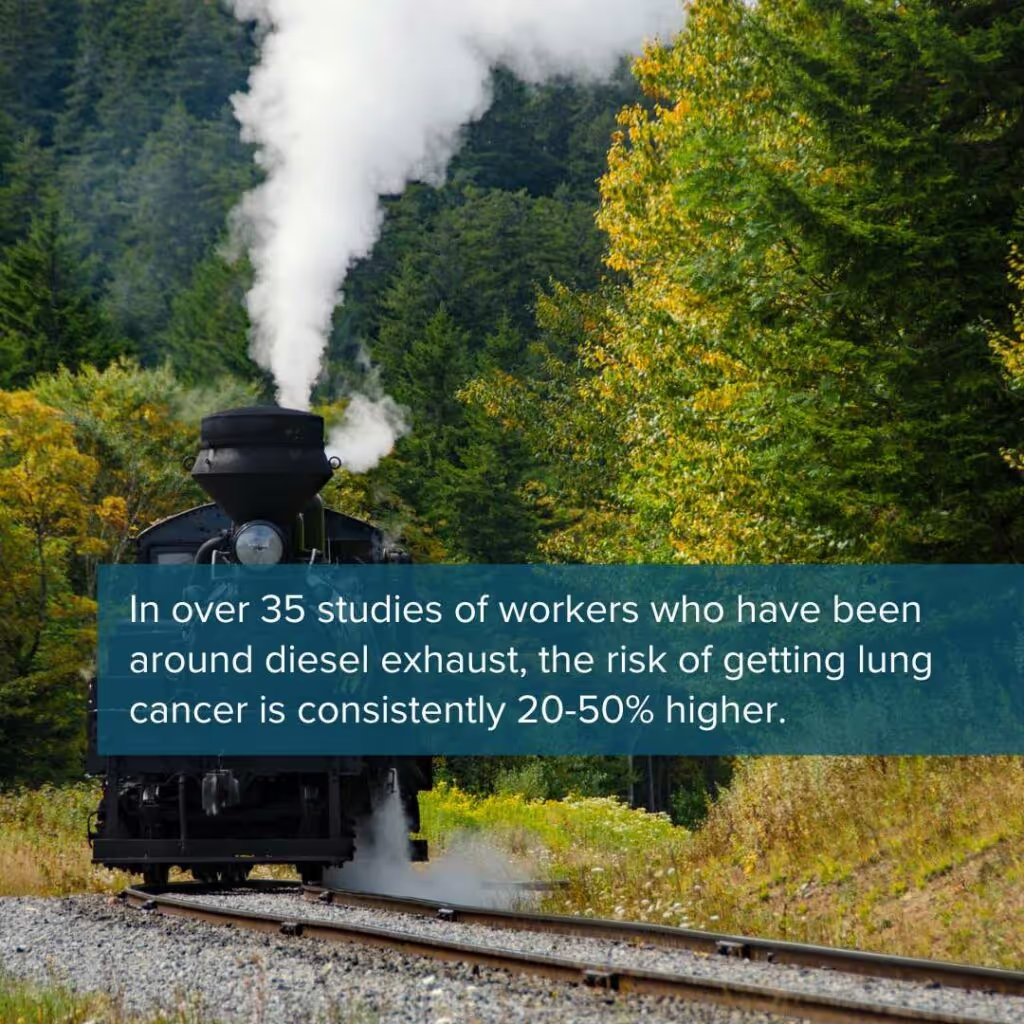
- Diesel exhaust, emitted from locomotives, contains benzene and fine particulates, may be inhaled by almost anyone who spends time in a busy rail yard. Diesel exhaust exposure is linked to lung and bladder cancers.
- Asbestos, once insulating a majority of older equipment and buildings, remains a hazard in old job sites.
- Creosote, used to treat wooden ties, releases carcinogenic polycyclic aromatic hydrocarbons during handling, and increases skin and lung cancer risks.
- Silica dust, generated when grinding or dumping ballast rock, is inhaled by track maintenance of way workers, contributing to lung cancer and silicosis.
- Benzene, a very hazardous compound found in solvents and diesel fumes, poses leukemia risks during degreasing parts, painting and other basic rail yard tasks.
- Welding fumes, loaded with toxic chromium and nickel, expose repair crews to lung cancer risks.
- Pesticides, when applied along tracks by track maintenance crews, raise the risk of developing non-Hodgkin lymphoma.
Montana’s rail yard machine shops and roundhouses often had poor ventilation, heightening the work hazards listed above. The latency times of some related cancers complicates early detection, and many retired workers, aged over 60, are now diagnosed many years after exposure.
Railroad Occupational Cancer Risks
Studies point to evidence of elevated cancer rates among rail workers everywhere. The National Institute for Occupational Safety and Health (NIOSH) reports a 30-40% higher lung cancer risk from diesel exhaust, while asbestos exposure accounts for additional lung cancer and mesothelioma cases. A 1987 study found 21% of railroad workers over 50 had significant asbestos exposure, a risk persisting in older rail yards. Silica dust and benzene can also contribute to risks of developing lung cancer, leukemia, and other hematologic cancers.
The establishment might downplay cancer risks as an unfortunate thing of the past, but evidence suggests ongoing toxic exposure, especially in maintenance roles. The following types of Montana railroad workers may be most vulnerable:
Maintenance Workers (Mechanics and Technicians)
These workers repair locomotives and equipment, facing high levels of diesel exhaust and solvent exposure, increasing risks of lung cancer, leukemia, and liver damage. Working with heavy tools and machinery heightens the chance of lacerations, burns, or crush injuries, while confined spaces amplify inhalation hazards.
Track Workers (Trackmen and Laborers)
Tasked with maintaining or repairing tracks, trackmen and maintenance of way workers inhale silica dust from grinding ballast and absorb creosote from treated ties. Manual labor near moving trains or unstable ballast poses risks of falls, fractures, or being struck by equipment, with poor lighting or weather worsening these dangers.
Welders and Metal Fabricators
Welding tracks or railcars releases fumes with chromium and nickel, significantly increasing lung cancer risk. Prolonged exposure in enclosed yards heightens inhalation hazards. Burns from welding arcs and injuries from heavy metal parts are common, compounded by ergonomic strain.
Freight Handlers and Loaders
Loading or unloading hazardous cargo exposes many workers to benzene from fuel spills, elevating leukemia risks. Lack of ventilation in cargo areas amplifies exposure. Heavy lifting and equipment operation lead to back injuries, slips, or crush hazards, especially during busy periods.
Yard Engineers and Conductors
Operating trains in yards exposes conductors to diesel exhaust, with benzene and particulates posing lung and bladder cancer risks, particularly during idling or shunting. A large number of workers face compounded risks due to inadequate ventilation, outdated safety gear, and chronic toxic exposure.
What Cancers Are Linked to Diesel Exposure?
There are numerous occupational illnesses that have strong links to exposure to solvents, silica dust, asbestos, diesel exhaust, benzene, creosote and welding fumes, including the following medical conditions:
- Lung Cancer
- Bladder Cancer
- Esophageal Cancer
- Nasopharyngeal Cancer
- Stomach Cancer
- Kidney Cancer
- Acute Myeloid Leukemia (AML)
- Myelodysplastic Syndrome (MDS)
- Acute Lymphocytic Leukemia (ALL)
- Chronic Lymphocytic Leukemia (CLL)
- Non-Hodgkin’s Lymphoma
- Multiple Myeloma
- Aplastic Anemia
- COPD (Chronic Obstructive Pulmonary Disease)
- Emphysema
- RADS (Reactive Airways Dysfunction Syndrome)
- Interstitial Lung Disease
- Pulmonary Fibrosis
Despite better oversight by NIOSH and OSHA that have improved work safety standards, there is still a high risk of toxic exposure at rail yards due to the amount of hazardous substances on site. Acute and chronic toxic exposures are still probable in many cases.
Injured Montana rail workers can seek compensation through FELA, which holds railroads liable for negligence-related injuries or illnesses. FELA requires proving employer fault—e.g., inadequate protective gear or failure to warn about toxic materials on the job. Eligible workers include those in interstate commerce, covering roles like engineers, trackmen, and mechanics across Montana’s yards. FELA injury claims can result in substantial awards, which are uncapped unlike workers’ comp, including the following:
- Medical Expenses: Covers past and future costs (e.g., chemotherapy, surgery, medication, rehab, hospital visits) for cancers and lung diseases.
- Lost Wages: Compensates for lost income, critical for workers forced to retire early or work in a reduced capacity, with estimates up to $200,000 for moderate cases.
- Pain and Suffering: Addresses emotional and physical toll, often adding significant value.
- Wrongful Death: Benefits spouses or dependents if a worker dies.
The statute of limitations is three years from when the worker knew or should have known of the work-related illness, accommodating latency. Success hinges on proving exposure—combined evidence of work history and medical records—often requiring experienced FELA attorneys to build a case. If FELA claims fall short, personal injury lawsuits against railroads or negligent manufacturers can offer additional recourse.
Where are Montana Railroad Workers at Risk?
- Laurel Yard, Laurel: The main classification yard for Montana Rail Link (now BNSF)
- Missoula Yard, Missoula
- Billings Yard, Billings
- Bozeman Yard, Bozeman
- Helena Yard, Helena
- Livingston Yard, Livingston
Experienced. Compassionate. Consumer Advocates
The Lyon Firm is a Cincinnati, Ohio-based law firm, representing individuals nationwide in class action, product liability, and toxic exposure litigation.

Handling Complex Data Privacy & Cyber Security Cases
Request A Free Consultation Now

.avif)
Can I File a Toxic Exposure Claim?
Railroad cancer lawsuits can be pretty straightforward, and rail companies typically want to avoid high-profile, dragging litigation that can take years to resolve with a jury trial. That is why occupational cancer cases usually settle with favorable compensation packages set up for plaintiffs.
Of course each individual case is different, but if you worked at a rail yard for years and you were constantly exposed to toxic materials that have been linked to cancer in medical literature, you have a good case. Call us to review your work history and medical records, and to draw a clear connection between a toxic exposure and a related medical condition.
Montana Railroad Cancer FAQ

Railroad safety experts have noted that there are health concerns around exposure to solvents, silica dust, asbestos, welding fumes, creosote, diesel fumes and the following benzene-containing products:
- Varsol (mineral spirit)
- Liquid Wrench (penetrating solvent)
- Safety-Kleen Parts Washer
- Safety-Kleen Solvent
- Gasket adhesives and glues
- CRC Brake and Carb Cleaners
- Gasoline
- Cutting fluids
- Lubricants
- Paints and paint thinners
Many workers may think they knew the risks of working in the railroad industry, which has always had a spotty safety record. But if a company was negligent in safety training, and failed to provide basic safety equipment, they can be held accountable for any injury or illness that results. Families work hard to make ends meet and when an occupational illness makes it impossible to work any longer, compensation becomes necessary, perhaps with the help of a railroad cancer attorney.
- Laurel Yard, Laurel: The main classification yard for Montana Rail Link (now BNSF)
- Missoula Yard, Missoula
- Billings Yard, Billings
- Bozeman Yard, Bozeman
- Helena Yard, Helena
- Livingston Yard, Livingston
Railroad Lung Cancer Lawsuits
Request a Free Consultation
Taking the first step doesn’t have to be complicated. In just a few minutes, you can share the basics of your case, and our team will guide you from there:
- It begins with a few simple questions about your situation.
- From there, a member of our legal team reviews your case.
- Together, we’ll chart the path forward, helping you take the next step toward resolution.
