
Elixir Medical Data Breach Investigation
September 9, 2026



Large producers of plastics convinced the American public long ago that the millions of single-use containers and plastic packaging could all be recycled. All they had to do was print a recycling symbol somewhere on the product, and that appeared to solve the immense problem of plastic waste.
What consumers did not realize is that recycling has never been economical or a viable solution to the growing environmental catastrophe of plastic waste. The reality: the recyclability rate of most plastic products is alarmingly low.
Yet large corporate polluters still promote recycling like it is the answer to our environmental concerns. As a result, environmental groups and consumer protection lawyers have filed lawsuits against companies that engage in deceptive recycling marketing campaigns and other misleading greenwashing practices.
Consumer plastics are notoriously difficult to recycle en masse. Because of the number of chemically different plastics on the market, and the giant amount of plastics used on a daily basis, the sorting process alone is extremely time-consuming and costly, and ultimately unrealistic for most recycling centers and communities.
Not only is the quantity of plastics too overwhelming to sort, but there is another serious issue at play in assessing the true recyclability of a product: measuring how much a plastic degrades each time it is reprocessed and reused. Sometimes plastics are so cheap they cannot safely be used more than once.
Others may get a few uses, but plastic is not like metals and cannot be safely recycled back into any food containers. There are ways to melt plastics down to make new plastic products, but those methods are energy-intensive and hardly environmentally friendly.
Of course every industry is aware of these severe limitations, but they want to appear “eco-friendly” in their often misleading marketing campaigns. They conveniently overlook decades of evidence that their so-called recyclable products have not been in fact recycled.
Furthermore, by relying on an unviable recycling strategy, and continuing to add countless tons of plastic single-use containers to a polluted environment, plaintiffs argue that companies should be held accountable for such recyclability fraud and their related greenwashing of the American public.
As for an argument for producing environmentally devastating single-use plastic packaging, many large corporate polluters have focused primarily on the disposability of a product rather than real recyclability. Examples of single-use products with high environmental impact include plastic bags, plastic straws, disposable coffee cups, plastic water bottles, styrofoam containers and plastic cutlery.
Industry insiders have noted that corporations have known for over fifty years that consumers purchase more of a product if it is available in single-use form. This has not changed a bit. And once the public realized how much trash was being generated from these single-use plastics, the misleading greenwashing recycling campaigns were put into high gear.
These marketing campaigns have been clever, they have been effective, and they have been misleading. For decades, corporations got away with almost any potential deceptive marketing. They knew that recycling was hardly a long-term solution. A 1986 report from the trade association the Vinyl Institute stated that “recycling cannot be considered a permanent solid waste solution [to plastics], as it merely prolongs the time until an item is disposed of.”
In 1989, the founding director of the Vinyl Institute allegedly told attendees of a trade conference: “Recycling cannot go on indefinitely, and does not solve the solid waste problem.”
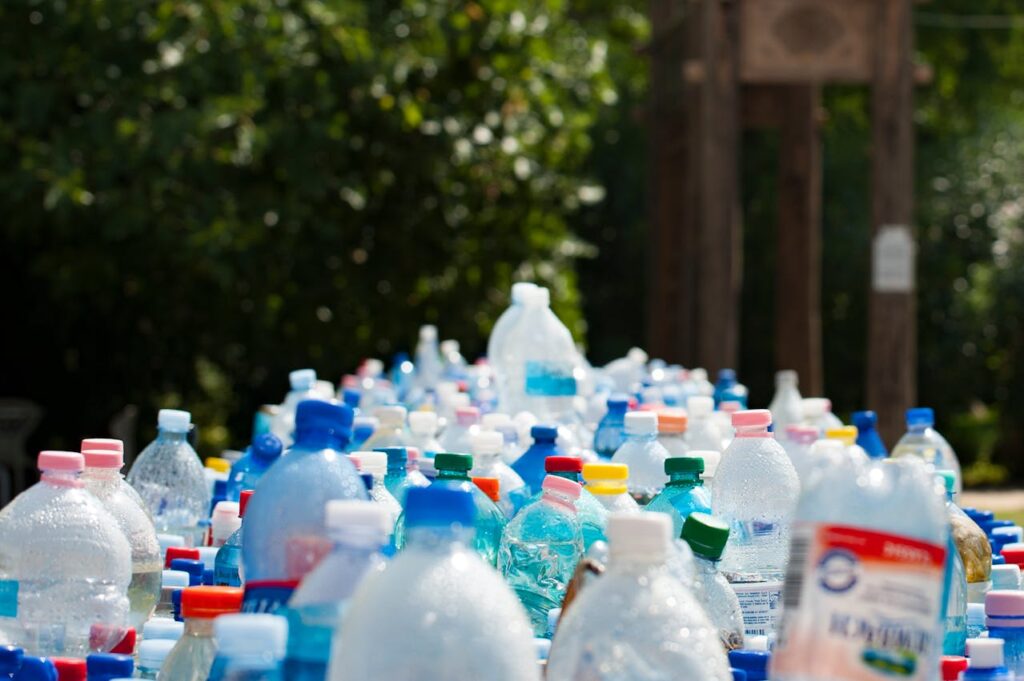
More than ever before, the plastic industry and recycling programs are facing criticism and legal pressure. California’s attorney general recently launched an investigation into petrochemical producers’ “role in causing and exacerbating the global plastics pollution crisis.”
In 2023, New York state filed a lawsuit against PepsiCo, saying its single-use plastics violated public nuisance laws, and that the company misled consumers about the recyclability of its packaging. An inordinate amount (17%) of plastic trash found in an upstate river originated from Pepsi, and triggered the legal action.
The lawsuit noted that in 2019, PepsiCo announced a target to reduce the total amount of virgin plastic used in its plastic beverage bottles by 35% by 2025, from a 2018 baseline. Two years later, the complaint alleged, the percent actually rose.
Other lawsuits have challenged the alleged misleading “recyclable” greenwashing marketing of certain single-use plastics in cases where the products are unlikely to be recycled. This is relatively new territory for the courts, and judges have approached these cases in different manners. Some recyclability lawsuits have been dismissed on the grounds that single-use products can in theory be recycled, even if the actual recycling rate is in the single digits.
Consumer protection attorneys can help with the following:
Today, consumers increasingly choose products that promise environmental benefits, especially claims about recyclability. Unfortunately, many of these promises are misleading or outright false.
When businesses exaggerate a product’s recyclability or environmental impact, it not only undermines consumer trust but can also lead to false advertising lawsuits, class actions, and enforcement actions from the Federal Trade Commission (FTC). If you purchased a product based on misleading environmental claims, you may have legal recourse.
Our deceptive marketing and environmental lawyers would like to hear from consumers about any potential recycling fraud and greenwashing campaigns. Filing a class action lawsuit against a major offender and polluter can not only compensate plaintiffs but can also help clean up our rivers, oceans and communities. Contact our legal team to discuss the viability of a recyclability lawsuit and to learn more about the legal process.

The Lyon Firm is a Cincinnati, Ohio-based law firm, representing individuals nationwide in class action, product liability, and toxic exposure litigation.

Taking the first step doesn’t have to be complicated. In just a few minutes, you can share the basics of your case, and our team will guide you from there: