Toledo Chemical Spill Investigation
October 22, 2026


Two of the world's largest food and beverage corporations, responsible for producing an unfathomable amount of plastic each year, have both decided to renege on their sustainability, plastic recycling and plastic reduction goals. PepsiCo recently followed Coca-Cola's decision to ditch their plastic reduction promise in a major setback for environmentalists and for the future of cleaner, safer waterways.
With more and more research emerging that suggests human bodies are chock full of microplastics, presenting a myriad of known (and to be determined) health risks, corporate leadership appears to be moving in the wrong direction.
Contact our class action product liability and deceptive marketing lawyers to discuss ongoing litigation related to corporate greenwashing, misleading recyclability claims, and microplastics liability.
Our firm represents clients in all fifty states, and we investigate a wide range of consumer protection claims on your behalf. We believe companies should be held accountable for contributing to a growing plastic pollution problem, which is negatively impacting the environment and the well-being of every living individual. Call for a free consultation and case review.
In a move that many critics have unfortunately predicted, the Coca-Cola Company backtracked on a major environmental sustainability goal in regards to the company's production of single-use plastic bottles. Coca-Cola now stands accused of greenwashing, which is a relatively new deceptive marketing term that alleges companies make false claims about their concern for the environment when their business practices run contrary to any real, meaningful change or eco-friendly philosophy.
The sad truth is huge food and beverage companies like Coca-Cola, PepsiCo, Nestle, and several others operate primarily to reward their shareholders with profits. Any plastic reduction scheme, major recycling campaign, or packaging overhaul will eat into those precious profit margins. Making matters worse, there are no legal barriers set forth by governments to prevent such a large-scale plastic pollution catastrophe. Thus, we are in an ecological and environmental bind where we are surrounded by plastics that new research claims is extremely dangerous to our health. Many studies now conclude that most humans have microplastics in their blood, brain and in other organs.
This is not entirely new knowledge, which is why corporations have told the public that they were going to clean up their act. So what plan did Coca-Cola abandon? The company had made a pledge in 2022 to achieve a 25% reusable packaging target by 2030. A quarter of its drinks were to be sold in refillable or returnable glass or plastic bottles, or in refillable containers that could be filled up at “Coca-Cola freestyle dispensers”.
There was no big PR event to announce the changes in December. Coca-Cola simply deleted the page on its website outlining this promise. As of writing, the company no longer has a target or plan for reusable packaging. The most recent company packaging targets now say they will “aim to use 35% to 40% recycled material in primary packaging (plastic, glass and aluminum), including increasing recycled plastic use to 30% to 35% globally”.
You may have noticed that these companies use language to suggest they don’t know if this is possible. Of course, these goals are attainable, but they do require an increase in cost. If there is no financial incentive to change, typically companies will stay the course as long as possible. Some critics believe these companies have no plan to reach these goals, they simply make these eco-friendly claims to make consumers more comfortable with buying their products. If true, such misleading marketing campaigns would be a classic case of greenwashing and grounds for a class action complaint.
Class action lawsuits have been filed against Coca-Cola and more notably, PepsiCo, for polluting the nation’s waterways. By taking legal action, individuals may be able to force the company’s hand in staying true to their stated plastic reduction goals.
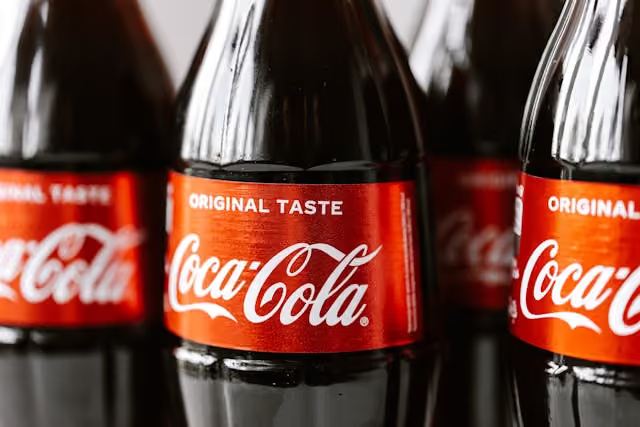
There is no doubt that these food and beverage companies play a major role in the plastic pollution problem and could choose to be a great help in cleaning up the planet and reducing the microplastics that find their way into our bodies. Oceana estimates that if Coca-Cola kept its earlier plastic reduction commitment with reusable packaging by 2030, they could have avoided the production of about 100 billion 500ml single-use plastic bottles and cups.
Coca-Cola was named the top plastic polluter for the sixth-consecutive year in 2023, according to the environmental organization Break Free from Plastic. They are now estimated to sell around 9.1 billion pounds of plastic annually by 2030.
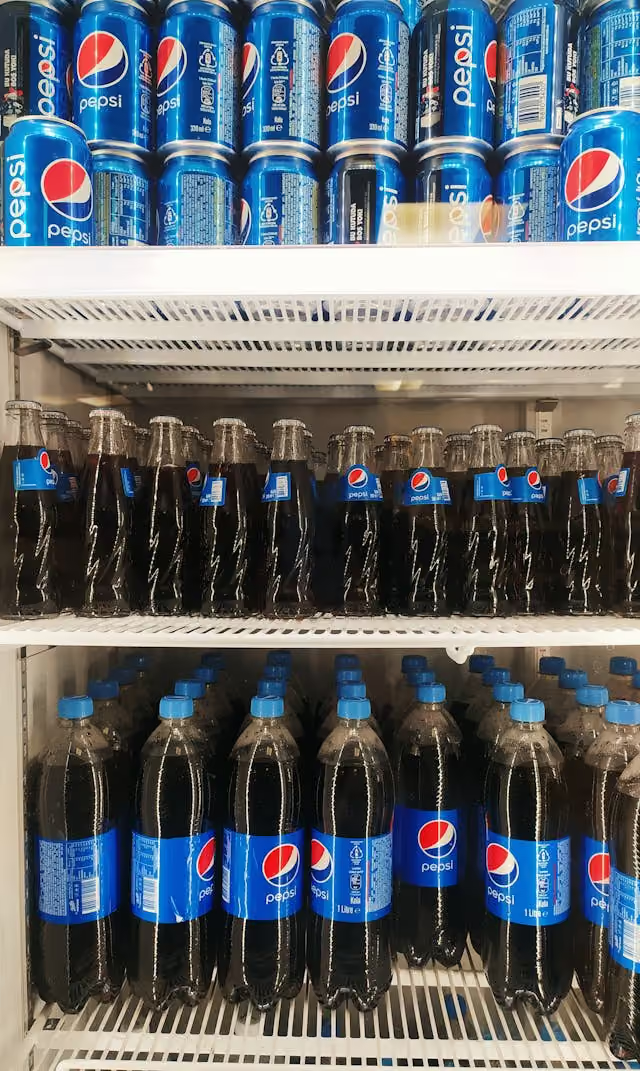
On May 22, PepsiCo followed suit and announced that it will also be eliminating its reusable packaging targets. Pepsi had set a goal of using 50% recycled content in its plastic packaging by 2030, which the company has now dropped to a minimum of 40% by 2035. If there are no repercussions for pushing these dates and goals back every few years, is there any reason to believe real changes will be implemented?
Well, their new goal of reducing new fossil-fuel based plastic by 2% each year through 2030 may actually be met. More pressure should be applied to these companies to make pledges that are not only legally binding, or for marketing purposes, but actually meaningful goals. As it stands, even the new goals are subject to change.
PepsiCo announced the company decided to cancel the targets of their PepsiCo Positive (pep+) sustainability strategy from four years ago. Here are a couple of the goals that have changed:
In 2018, Nestlé publicly committed to making all of its packaging recyclable or reusable by 2025. However, by 2023, watchdog groups accused the company of greenwashing, pointing to limited progress and the continued production of massive amounts of plastic waste. In a related move, Dr. Bronner’s gave up its B Corp certification in 2025, criticizing the program for allowing companies—such as Nestlé subsidiaries—to promote sustainability without meeting meaningful standards. These examples highlight how broken environmental pledges can escalate into consumer protection lawsuits.
The plastics industry has faced similar challenges. Companies like Allen Industries have been sued for abandoning their own reduction goals while continuing to rely on non-recyclable materials that contribute to pollution. A 2024 investigation by The Guardian revealed that just five corporations generated waste at a rate more than 1,000 times higher than the amount they claimed to be reducing. Such findings have fueled class action litigation, with plaintiffs arguing that misleading sustainability claims cause real economic harm to consumers and investors alike.
With the toxic consequences of plastic pollution and microplastics coming to light, all food and beverage companies need to stop sidestepping these issues every few years and should engage in all-out plastic reduction campaigns. If the studies on microplastics ring true, more plastic recycling programs won’t help, we need to eliminate as much plastic as possible.
When corporations ditch plastic reduction plans, it often signals greenwashing, justifying lawsuits for accountability. Consult a legal expert to explore your options and join the fight for a truly sustainable future.
The Lyon Firm is a Cincinnati, Ohio-based law firm, representing individuals nationwide in class action, product liability, and toxic exposure litigation.

Taking the first step doesn’t have to be complicated. In just a few minutes, you can share the basics of your case, and our team will guide you from there: