
Atrium Centers Data Security Incident
August 18, 2026


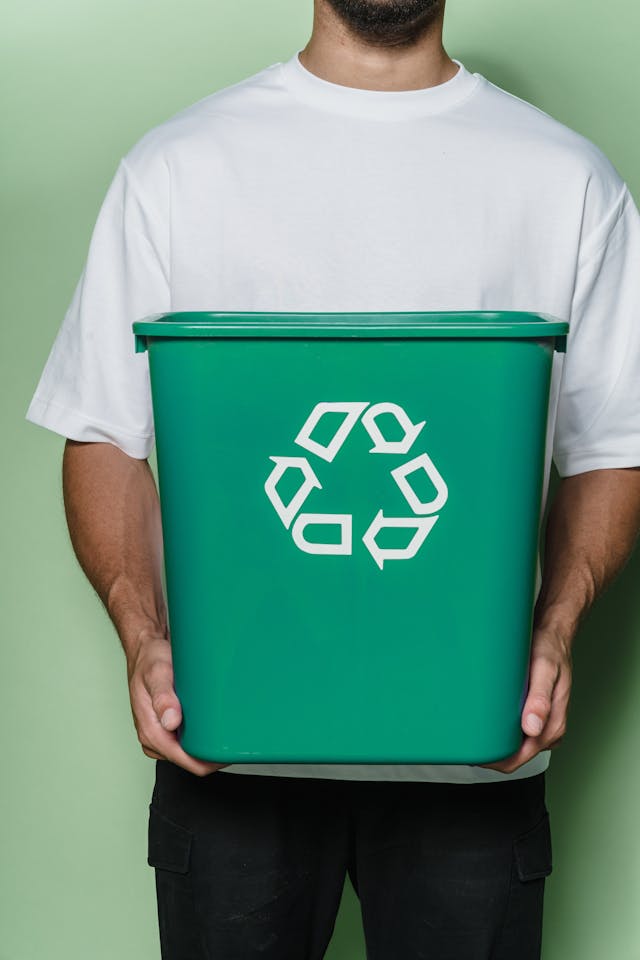
For decades, the familiar chasing arrows symbol on product packaging has been one of the most recognized icons in American consumer culture. Most shoppers rightly assume that symbol means a product is recyclable. In many cases, that assumption is misguided. Some companies have placed recycling indicators on packaging that has little to no chance of being processed through standard recycling programs.
To address this problem, California enacted a bill widely referred to as the Truth in Recycling law, legislation with a compliance deadline of October 4, 2026.
If you purchased a product based on its recyclability label and that label was false or misleading, you may have legal options. The Lyon Firm represents consumers nationwide in class action and consumer fraud litigation, and our attorneys are actively monitoring Truth in Recycling developments.
Senate Bill 343 was signed into law in October 2021 by California Governor Gavin Newsom and was originally authored by Senator Ben Allen and directed the California Department of Resources Recycling and Recovery, known as CalRecycle, to conduct a statewide material characterization study.
The core purpose of the law is to make certain that any product or package displaying the chasing arrows symbol or any other indicator of recyclability meets California's defined recyclability standards. Under SB 343, a product or packaging qualifies as recyclable only if it meets all of the following criteria:
The chasing arrows symbol has often functioned as more of a marketing tool than anything else. But studies and investigations have shown that the vast majority of plastic produced in the United States has never been recycled, even if the majority of those products bear the recycling symbol sold to consumers.
SB 343 provides a legal framework for holding companies accountable when their recyclability claims do not reflect what actually happens to those materials in California's recycling system. The law subjects false or misleading recyclability claims to civil enforcement under California's false advertising statutes, which allows private parties who have suffered economic harm to pursue civil actions.
Any manufacturer or retailer that sells products or packaging in California bearing a recyclability claim must comply with SB 343's requirements for products and packaging manufactured after October 4, 2026. This includes:
The law also imposes mandatory recordkeeping requirements that are already in effect. Any company making an environmental marketing claim, including placing the chasing arrows symbol on a product, must maintain written documentation to support that claim.
Violations of the Truth in Recycling Law carry serious financial penalties of up to $2,000 per violation. Depending on how courts define what constitutes a single violation, a company producing tens of thousands of improperly labeled units could face liability measured in the tens of millions of dollars.
Beyond the statutory penalties, violators may face civil suits under California's Unfair Competition Law, allowing any consumer who suffered economic harm as a result of misleading recyclability claims to pursue legal action.
In addition to civil actions, the California Attorney General and local jurisdictions have independent authority to bring civil enforcement actions against companies that fail to comply. The courts have shown a willingness to scrutinize environmental marketing claims. Companies that have relied on vague or misleading sustainability language face growing legal risk.
Consumer protection law in California is designed to address exactly these situations. When a company profits from a claim that misleads buyers into paying more for a product, that conduct may give rise to a legal claim.
The Lyon Firm has extensive experience representing California consumers in class action litigation involving deceptive marketing and greenwashing claims. Our attorneys have worked on cases involving some of the largest companies in the world and we understand how to build cases that translate complex regulatory and scientific evidence into clear legal arguments.
California's Truth in Recycling law creates a new standard for accountability in environmental labeling and our legal team is monitoring SB 343 enforcement closely on behalf of California consumers who may have been misled by false recyclability labels.
We offer free, confidential consultations and represent clients on a contingency basis, meaning you pay nothing unless we recover compensation for you. The Lyon Firm is a nationally recognized class action and product liability law firm with offices in California and Ohio.
If you believe you have been affected by misleading recycling claims on products you purchased in California, contact The Lyon Firm today to discuss your legal options. Contact us today for a free and confidential case evaluation.
The Lyon Firm is a Cincinnati, Ohio-based law firm, representing individuals nationwide in class action, product liability, and toxic exposure litigation.

Taking the first step doesn’t have to be complicated. In just a few minutes, you can share the basics of your case, and our team will guide you from there: