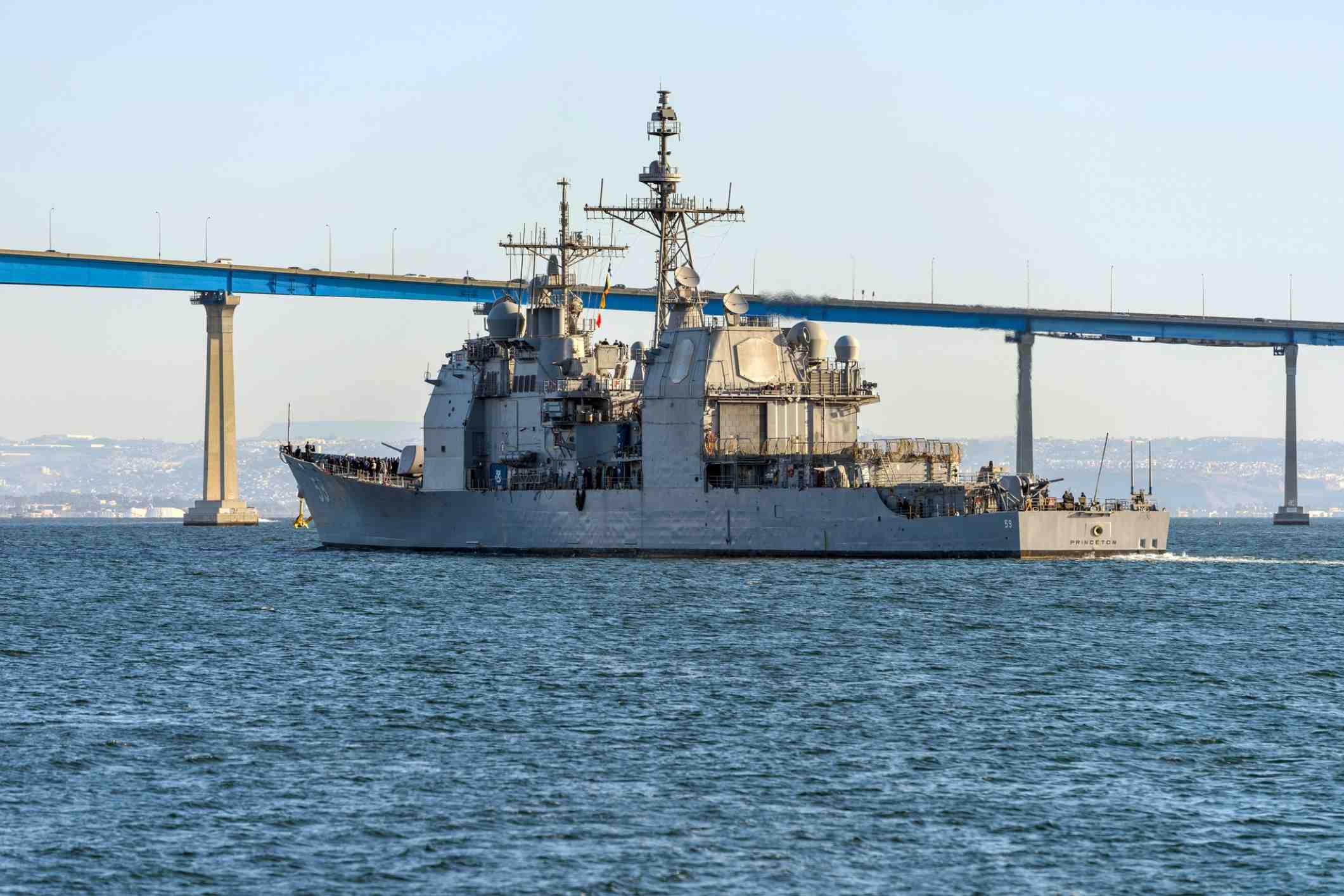
Naval Base San Diego Asbestos Exposure


Actively Investigating Naval Base San Diego Asbestos Exposure & Cancer Diagnosis.

Nationwide Success

For decades, the men and women who served and worked at Naval Base San Diego were surrounded by asbestos without ever being told what it could do to their bodies.

Sailors, shipyard workers, and civilian personnel spent years in engine rooms, boiler spaces, and dry docks where asbestos-containing materials were built into nearly every system aboard every vessel.

American Association for Justice badge

Asbestos exposure at Naval Base San Diego has been directly linked to mesothelioma, lung cancer, asbestosis, and other serious illnesses. Many of those diagnoses are arriving years, even decades, after service ended.

The Lyon Firm represents veterans and civilian workers nationwide in asbestos exposure claims. If you or a family member served or worked at Naval Base San Diego and has received a serious illness diagnosis, call (513) 381-2333 for a free, confidential case review.

“Joe is a wonderful lawyer. I met him when my husband of 40 years was diagnosed with mesothelioma after his military service. Joe was honest, compassionate, and worked tirelessly for us. I would call him again for anything, because he gets the job done.”

— G.B.

How Did Asbestos Exposure at Naval Base San Diego Happen?

The U.S. Navy mandated the use of asbestos across its entire fleet for most of the 20th century. Ships required materials that could withstand extreme heat, resist fire, and hold up under the physical demands of naval operations. Asbestos met all those requirements and was cheap.

At Naval Base San Diego, asbestos was woven into the construction of ships and shore facilities alike. Workers who built, repaired, maintained, or simply operated in those environments inhaled fibers during the course of ordinary daily work.

Cutting through old pipe insulation, replacing gaskets, working in a boiler room, or spending a shift in an unventilated engine space were all enough to create sustained exposure over a career spanning years or decades.

Asbestos use at the base peaked between the 1930s and the late 1970s. The Navy began phasing it out in the early 1980s, but by then, generations of personnel had already been exposed to it. Navy documentation from 2006 confirmed that multiple locations across the base remained contaminated with asbestos material well into the 21st century.

Where Was Asbestos Found at Naval Base San Diego?

Asbestos was present throughout the base, aboard ships, and inside shore facilities. The Navy’s own investigation confirmed contamination across several specific locations:

  • Ships and dry docks. Seven dry docks operated at the base, and the ships serviced there contained asbestos in pipe insulation, boiler lagging, gaskets, valves, electrical components, and engine room systems.
  • Shore buildings. Nearly 300 buildings on base were constructed with asbestos in floor tiles, ceiling materials, pipe insulation, and fireproofing applications.
  • Salvage yard. Navy documentation confirmed the salvage yard contained demolition debris from ship repairs with significant asbestos contamination.
  • Waste storage area. A dry dock and ship repair waste storage area was located just 20 feet from a storm drain, raising concerns about broader contamination.
  • Building 3302. Used as a temporary storage facility for vehicle maintenance materials, many of which contained asbestos.
  • Naval Training Center. Opened in 1923, the training center operated for more than 70 years before closure. After being placed on the base closure list, more than 70 acres of asbestos-contaminated buildings required clearing — the largest single demolition project ever issued from the Navy’s Demolition Projects Office in Washington, D.C.
  • Metal finishing and solvent areas. Buildings used to produce corrosives, metal finishes, and solvents also tested positive for asbestos contamination.

CONTACT THE LYON FIRM TODAY

  • This field is for validation purposes and should be left unchanged.
ABOUT THE LYON FIRM

Joseph Lyon has 20 years of experience representing individuals in complex litigation matters. He has represented individuals in every state against many of the largest companies in the world.

The Firm focuses on single-event civil cases and class actions involving corporate neglect & fraud, toxic exposure, product defects & recalls, medical malpractice, and invasion of privacy.

NO COST UNLESS WE WIN

The Firm offers contingency fees, advancing all costs of the litigation, and accepting the full financial risk, allowing our clients full access to the legal system while reducing the financial stress while they focus on their healthcare and financial needs.

What Illnesses Are Linked to Naval Base San Diego Asbestos?

Asbestos-related illnesses carry latency periods of 20 to 50 years, which is why many veterans and civilian workers are receiving diagnoses long after their service or employment ended. 

Conditions linked to asbestos exposure at Naval Base San Diego include:

  • Mesothelioma — a cancer of the lining of the lungs, abdomen, or heart caused almost exclusively by asbestos exposure;
  • Lung cancer — asbestos exposure significantly elevates lung cancer risk, particularly in workers with long careers in shipyard environments;
  • Asbestosis — a chronic lung disease caused by scarring of lung tissue from inhaled asbestos fibers;
  • Pleural disease — thickening and scarring of the membrane surrounding the lungs, which restricts breathing and causes chronic chest pain;
  • Laryngeal and esophageal cancer — both have been linked to occupational asbestos exposure in shipyard and naval settings; and
  • Gastrointestinal cancers — including stomach, colorectal, and kidney cancers, identified in workers with significant asbestos exposure histories.

Workers in shipbuilding and naval service face some of the highest risks of asbestos exposure. 

Occupational health research has consistently shown elevated rates of mesothelioma and other asbestos-related diseases among shipyard workers due to prolonged exposure in confined environments. 

Estimates also suggest that U.S. military veterans account for roughly one-third of mesothelioma diagnoses, reflecting widespread asbestos use in Navy ships and shipyards.

Which Jobs Carried the Highest Risk of Asbestos Exposure at Naval Base San Diego?

With up to 14,000 workers on base at any one time, asbestos exposure at Naval Base San Diego touched virtually every trade and job classification. Certain roles placed workers in sustained, direct contact with asbestos-containing materials:

  • Boilermakers and boiler technicians worked daily in boiler rooms where asbestos insulation covered pipes, valves, and fittings throughout the system.
  • Pipefitters and plumbers removed and installed asbestos-wrapped pipe lagging during repairs and overhauls.
  • Machinists and diesel mechanics handled asbestos gaskets, packing materials, and engine components during routine maintenance.
  • Electricians worked with asbestos-insulated wiring and electrical components aboard ships and in shore facilities.
  • Shipfitters and welders cut, ground, and worked around asbestos-containing structural materials during construction and repair.
  • Insulation workers applied and removed asbestos insulation directly, often in confined spaces with no ventilation.
  • Sailors and naval personnel spent extended time in engine rooms, boiler spaces, and below-deck compartments where asbestos fibers were a constant presence.
  • Civilian contractors and subcontractors performed overhaul, repair, and demolition work alongside Navy personnel throughout the base.
  • Shore facility maintenance staff worked in buildings constructed with asbestos-containing materials throughout the base campus.

Naval Base San Diego: A Brief History

The origins of Naval Base San Diego date back to 1919, when Congress approved a $750,000 appropriation to establish a permanent naval presence along San Diego Bay. The facility opened as U.S. Destroyer Base, San Diego, built on 232 acres of land purchased for approximately $250,000.

The base expanded rapidly during World War II, when it was renamed U.S. Repair Base, San Diego. Between 1943 and 1945, workers on base converted, overhauled, maintained, and repaired more than 5,100 ships. At its peak, 14,000 people worked at the yard. By the end of the war, the base comprised nearly 300 buildings with barracks capable of housing over 18,000 Navy personnel.

After the war, the facility was renamed Naval Station San Diego and continued to provide repair and dry-docking services to the active fleet. In the 1990s, following the closure of the Long Beach Naval Shipyard, the base became the home port of the U.S. Pacific Navy Fleet. It was formally renamed Naval Base San Diego in 1998.

Today, the base occupies 97 acres and serves as home port to nearly a third of the Pacific Fleet. It remains one of the most strategically significant naval installations in the United States.

Throughout its most active decades, from the 1930s through the late 1970s, Naval Base San Diego operated during the height of military asbestos use. The ships built and repaired there, and the facilities that supported them, were constructed with asbestos at every level.

Which Ships Were Built or Repaired at Naval Base San Diego?

Over 5,100 vessels passed through Naval Base San Diego during World War II alone. The shipyard serviced every major class of Navy vessel, and each one was built with asbestos throughout its mechanical and structural systems.

Ships known to have been built, serviced, or repaired at Naval Base San Diego include:

Aircraft Carriers

  • USS Kearsarge (CV-33)
  • USS Kitty Hawk (CVA-63)
  • USS Antietam (CV-36)

Amphibious Warships

  • USS Tripoli (LPH-10)
  • USS Iwo Jima (LPH-2)

Destroyers

  • USS The Sullivans (DD-537)
  • USS Abbott (DD-629)
  • USS Shields (DD-596)
  • USS Bausell (DD-845)
  • USS Bauer (DE-1025)

Cruisers and Submarines 

The shipyard also converted, overhauled, and repaired cruisers and submarines throughout World War II and into the postwar period.

Every one of these vessels contained asbestos in boiler insulation, pipe lagging, gaskets, electrical systems, and structural components. Workers who built, repaired, or served aboard these ships faced sustained exposure during every overhaul, maintenance period, and repair cycle.

Veterans and civilian workers who served or worked at Naval Base San Diego and have since been diagnosed with mesothelioma, lung cancer, or another asbestos-related illness have legal options. 

The Lyon Firm is ready to help. Contact us at (513) 381-2333 or schedule a free consultation.

Are Veterans and Civilian Workers Both Eligible to File a Claim?

Yes. Both veterans and civilian workers who experienced asbestos exposure at Naval Base San Diego may have legal options depending on their service history, employment records, and diagnosis.

Veterans

Navy veterans who were exposed to asbestos during their service may pursue VA disability benefits through the Department of Veterans Affairs. Service-connected asbestos illnesses, including mesothelioma and lung cancer, qualify for disability compensation.

Veterans may also file legal claims against the manufacturers and suppliers of the asbestos-containing products used aboard Navy ships and at shore facilities. VA benefits and legal claims are not mutually exclusive.

Civilian Workers and Contractors

Civilian employees, contractors, and subcontractors who worked at Naval Base San Diego are not covered by VA benefits but may file personal injury or wrongful death claims against the companies responsible for their asbestos exposure.

Many of those companies have since established asbestos bankruptcy trust funds that remain accessible to eligible claimants.

Family Members

Secondary exposure, where a family member was exposed to asbestos fibers carried home on a worker’s clothing or hair, has supported legal claims in cases where a qualifying illness developed as a result.

Watch: Filing Deadlines for an Asbestos Exposure Lawsuit

Attorney Joe Lyon explains how time limits work in asbestos cases and why acting quickly helps protect your claim.

Watch the video:

What Kind of Damages Are Available in a Naval Base Asbestos Lawsuit?

In a naval base asbestos lawsuit, various types of damages may be available to the plaintiffs, depending on the specifics of the case and the laws in the jurisdiction where the lawsuit is filed. 

These damages are intended to compensate victims for the harm they have suffered due to asbestos exposure.

Here are some common types of damages that can be pursued in such lawsuits:

  • Medical expenses. Plaintiffs can seek compensation for the costs of medical treatment related to asbestos-related illnesses, including diagnostic tests, surgeries, medications, and ongoing medical care.
  • Pain and suffering. Damages may be awarded for the physical and emotional distress experienced due to asbestos-related diseases. This can encompass the pain, anxiety, and suffering endured by the victim and their loved ones.
  • Lost income. If the victim was unable to work due to their asbestos-related illness, they can claim compensation for the income they would have earned had they been able to continue working.
  • Diminished earning capacity. In cases where the victim can no longer work at the same capacity or in the same profession due to asbestos-related illness, they may seek compensation for the reduced earning potential.
  • Wrongful death expenses. If the asbestos exposure leads to a fatality, the family of the deceased may be entitled to compensation for funeral and burial expenses.
  • Punitive damages. In some cases, punitive damages may be awarded. These are intended to punish the defendant, such as the asbestos manufacturer or the naval base, for their gross negligence or willful misconduct in exposing individuals to asbestos.

Justice matters as much as recovery. A Martindale-Nolo survey found that individuals with legal representation generally recovered higher compensation than those who pursued claims on their own.

At The Lyon Firm, our experience reflects these findings. Victims of asbestos exposure have secured substantial awards, with average settlements ranging from $1 to $2 million and verdicts reaching between $5 and $11 million.

Do Asbestos Trust Funds Cover Naval Base San Diego Claims?

Yes. Many of the companies that manufactured and supplied asbestos-containing products to the U.S. Navy filed for bankruptcy after decades of litigation. Before dissolving, these companies were required by law to establish asbestos bankruptcy trust funds to compensate current and future victims. Collectively, those funds hold over $30 billion.

Companies that supplied asbestos products to Naval Base San Diego are among those with active trust funds. Our attorneys identify which trusts apply to a claimant’s work history and service record, then file claims on their behalf.

Trust fund claims are separate from personal injury lawsuits and can often be filed simultaneously. Veterans who are also pursuing VA disability benefits can file trust fund claims concurrently without affecting their VA eligibility.

Filing deadlines and eligibility requirements vary by trust. Speaking with an attorney as early as possible helps preserve access to every available fund.

“Many at Naval Base San Diego lived and worked in environments filled with asbestos, and many now face mesothelioma, lung cancer, and other diseases as a result of their service. These illnesses demand accountability, and legal action is one way families can secure justice.”

Joe Lyon profile photoJoe Lyon,
Founding Partner of the Lyon Firm

photo of attorney Joe Lyon

Our Attorneys Are Reviewing Naval Base San Diego Asbestos Cases Now

Naval Base San Diego was one of the busiest shipyards in the country for most of the 20th century. The men and women who served and worked there did their jobs without knowing what was in the air around them.

Asbestos was present in the ships, buildings, equipment, and training facilities. The companies that put it there had a responsibility to warn them. Most never did.

The Lyon Firm is reviewing asbestos exposure cases on behalf of veterans, civilian workers, and families connected to Naval Base San Diego. Call (513) 381-2333 to speak with attorney Joe Lyon about your case.

CONTACT THE LYON FIRM

  • This field is for validation purposes and should be left unchanged.

Naval Base San Diego Asbestos Exposure FAQ

Who is eligible to file an asbestos claim related to Naval Base San Diego?

Veterans who served at Naval Base San Diego, civilian workers and contractors who were employed there, and family members who experienced secondary exposure may all have legal options depending on their diagnosis and work or service history.

How long after asbestos exposure do symptoms appear?

Asbestos-related illnesses typically take 20 to 50 years to develop after the original exposure. Veterans and workers who served at Naval Base San Diego decades ago are among those now receiving diagnoses. The filing deadline in most states begins at the time of diagnosis, not the date of exposure.

Can family members file a claim for secondary asbestos exposure?

Yes. Secondary exposure occurs when asbestos fibers are carried home on clothing, hair, or equipment. Family members who developed an asbestos-related illness as a result may have legal options separate from the veteran’s or worker’s claim.

Do I need military or employment records to pursue a claim?

Records help, but their absence does not prevent a claim. Our attorneys reconstruct exposure histories using service records, ship logs, coworker testimony, historical OSHA data, and product identification archives.

Our Victories

The Lyon Firm aggressively, professionally, and passionately advocates for injured individuals and families against companies due to asbestos exposure.

2,000,000

Asbestos (Mesothelioma)

1,000,000

Asbestos (Mesothelioma)

Request A Free Consultation


    • Answer a few general questions.
    • A member of our legal team will review your case.
    • We will determine, together with you, what makes sense for the next step for you and your family to take.
powered by Typeform