

Safety Kleen | Toxic Exposure
Toxic Tort Attorney reviews toxic exposure lawsuits for injured plaintiffs nationwide


.avif)


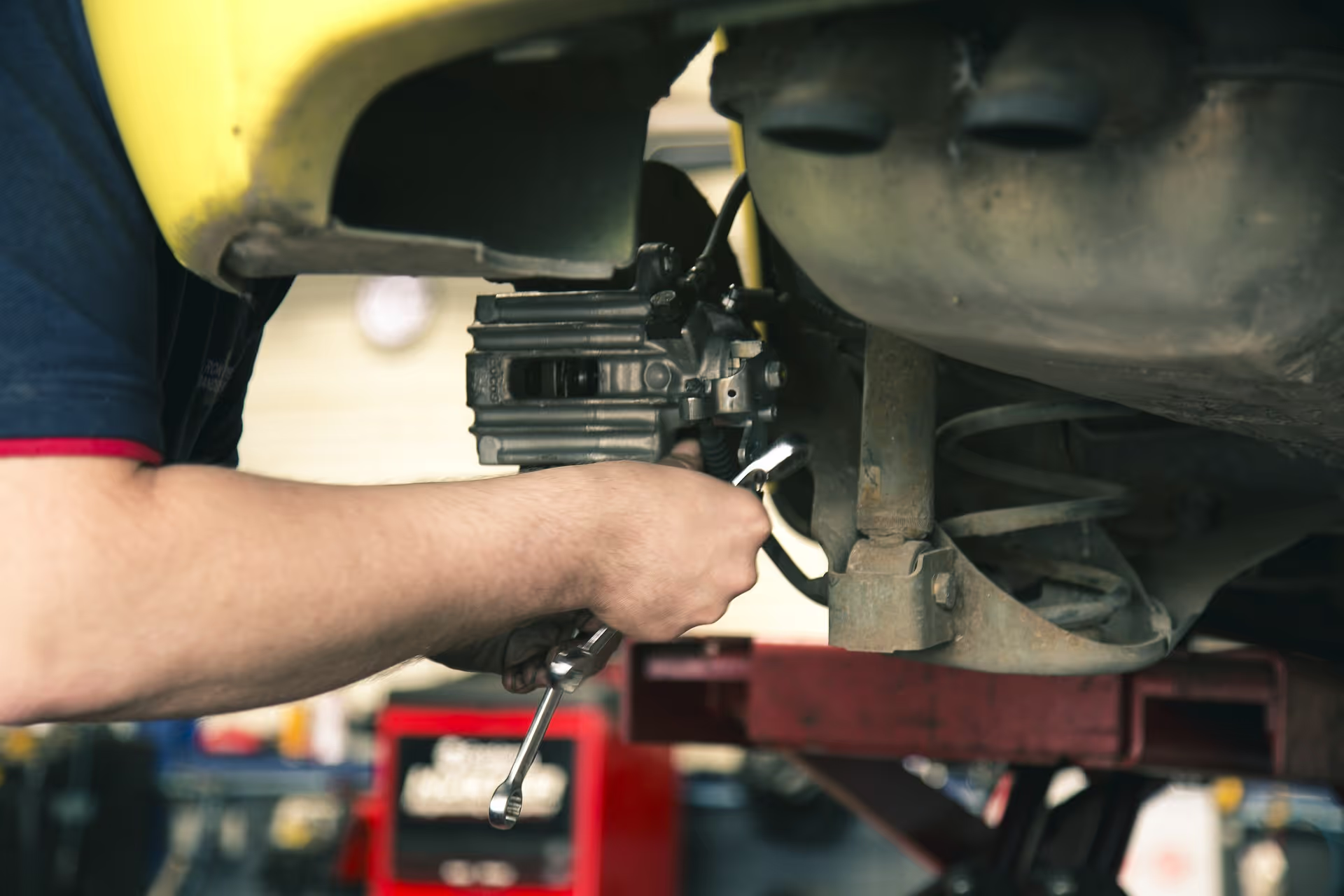
Safety Kleen Lawsuits
Investigating toxic cleaning products & solvents
Employees who handle Safety Kleen products or other hazardous solvents at the workplace may risk developing serious Benzene-related health issues, including cancers of the kidney and blood, Myelodysplastic syndrome (MDS) and Acute Myeloid Leukemia (AML).
Safety-Kleen solvents and other petroleum-based products may contain Benzene and other harmful chemicals, raising the risk of serious occupational illnesses. Acute exposure to solvents can cause irreparable damage to the lungs and kidneys, and long-term occupational exposure is likely to lead to cancer and other serious conditions.
Safety-Kleen, and Clean Harbors, boast of the versatility of its Cleaning products, from the automotive to the oil industry, but downplay the risks of continually using the toxic chemicals. The company says it serves over 137,000 automotive customers, 42,000 industrial customers, and 64,000 more specialty customers across the United States.
Liquid Wrench, a product of Radiator Specialty Company (RSC Chemical Solutions), is another solvent used to lubricate, penetrate and protect tools and machinery. Liquid Wrench is marketed as a fast-acting, anti-seize agent that penetrates corrosion, and loosens rusted parts. However, the solution contains Benzene, a known cancer-causing agent, endangering the health of anyone exposed to the product.
These solvents, and others, may be used widely in many applications and areas of the workplace. Employees most likely to face exposure work in the following industries:
- Auto Manufacturing
- Auto Body Shops
- Automotive Repair
- Metal Fabrication
- Machine Manufacturing
- Rubber plants
- Chemical Manufacturing
- Fracking
- Oil & Gas
- Transportation Equipment Manufacturing
- Construction
- Government building & School maintenance
- Healthcare Facilities
- Auto, truck or tractor dealerships
- Trucking & gas station employees
- Warehousing
Joe Lyon is a highly-rated Cincinnati, Ohio Personal Injury Lawyer who has represented individuals nationwide in toxic tort claims.
Safety Kleen & Cancer
The U.S. Centers for Disease Control and Prevention (CDC) has concluded that Benzene is a toxic substance, and urges employers to protect workers against skin exposure and inhalation risks. The chemical properties in Benzene may harm blood cellular production, and is linked to cancers such as lymphoma and acute myeloid leukemia (AML).
The Parts Washer Service, in which Safety-Kleen provides clients with a parts washer machine filled with solvent, is a leading cause for safety concern. Some of the machines consist of a tank filled with Safety-Kleen 105 Solvent, a solution known to be extremely toxic.
Using the machine as intended, workers inhale toxic vapors from solvent aerosols, and it is also likely that solvent splash the skin of workers. Safety Kleen 105 Solvent is a product known to be made with multiple carcinogens and toxic chemicals, including benzene, perchloroethylene, trichloroethylene, methylene chloride, chlorinated benzenes, and polycyclic aromatic hydrocarbons.
According to a memo recovered from 1990 prepared by a Vice President of the company, the benzene content was not constant but varied significantly throughout the Safety-Kleen system.
Benzene & Safety Kleen Exposure
The U.S. Environmental Protection Agency (EPA) estimates that millions of Americans face increased cancer risks from benzene and other common carcinogens found in cleaning products like Safety-Kleen and Liquid Wrench. Benzene exposure is linked to following types of cancer:
- Acute Myeloid Leukemia (AML)
- Myelodysplastic Syndrome (MDS)
- Multiple Myeloma
- Chronic Myeloid Leukemia (CML)
- Non-Hodgkin Lymphoma
- Aplastic Anemia
- Acute Lymphocytic Leukemia (ALL)
- Childhood leukemia
- Chronic Lymphocytic Leukemia (CLL)
- Hairy Cell Leukemia
- Hematologic cancer
- Myelofibrosis and Myeloid Metaplasia
Liquid Wrench Exposure Lawsuits
Injured victims of occupational Benzene exposure who have developed cancers and other related conditions, have filed lawsuits against the producers of Safety-Kleen and Liquid Wrench. Injured workers can file suit against the manufacturers as well as their direct employers after developing cancers related to toxic exposure.
Employers have a duty to provide proper safety equipment and warnings. Plaintiffs have targeted companies making Safety-Kleen, Liquid Wrench, LPS Lubricant, 3M Scotchkote Electrical Coating, and Shellsol—all of which contain Benzene.
Safety-Kleen 105 Solvent not only contains benzene, but also contains chlorinated solvents, chlorinated benzenes, and other very toxic chemicals. A number of cases have been brought against Clean Harbors and Safety-Kleen for allegedly causing Acute Myeloid Leukemia, other cancers, liver damage, kidney disease, pulmonary disease, neurologic disorders, dermatitis, and chemical burn injury.
Experienced. Compassionate. Consumer Advocates
The Lyon Firm is a Cincinnati, Ohio-based law firm, representing individuals nationwide in class action, product liability, and toxic exposure litigation.

.avif)
Why are these cases important?
Toxic exposure cases help empower employees to fight for their right to be protected, satisfactorily informed, and to stay safe. They also bring awareness to challenge and raise the expectations of companies that are not serving their employees justly.
Handling Complex Data Privacy & Cyber Security Cases
Request A Free Consultation Now

Toxic Exposure Lawsuits
Request a Free Consultation
Taking the first step doesn’t have to be complicated. In just a few minutes, you can share the basics of your case, and our team will guide you from there:
- It begins with a few simple questions about your situation.
- From there, a member of our legal team reviews your case.
- Together, we’ll chart the path forward, helping you take the next step toward resolution.
