Misconfigured Healthcare Devices Data Breach | Patient Privacy

The data privacy lawyers at The Lyon Firm are investigating claims of misconfigured healthcare devices data breach incidents. Medical data exposure is not just an inconvenience; it can cause profound emotional distress, create opportunities for fraud, and even lead to medical identity theft attempts when the exposed information involves sensitive health data.

In many cases, such exposures happen because hospitals and clinics failed to implement basic cybersecurity safeguards, which may constitute negligence under the law. Contact our legal team to consider filing a privacy violation claim and to learn more about how to protect your data.

Misconfigured Healthcare Devices: Data Breach Risks, Lawsuits, and How to Protect Patients

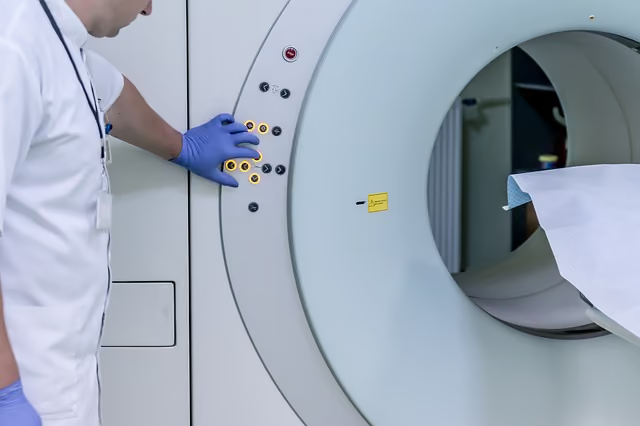
In August 2025, cybersecurity firm Modat revealed a concerning vulnerability in the healthcare sector: more than 1.2 million internet-connected medical systems—including MRI scanners, X-rays, CT devices, DICOM viewers, blood-test systems, and hospital management platforms—were misconfigured and accessible online, potentially leaking sensitive patient data. This discovery rings alarm bells not only for data privacy but also for patient safety.

The investigation detected sensitive medical information accessible through these vulnerable devices:

  • Medical imaging data – Brain scans, MRI results, CT scans, X-rays, and detailed diagnostic images
  • Protected Health Information (PHI) – Complete patient medical histories and clinical documentation
  • Personally Identifiable Information (PII) – Patient names, addresses, contact information
  • Laboratory results – Blood test results, diagnostic test outcomes, and biometric data
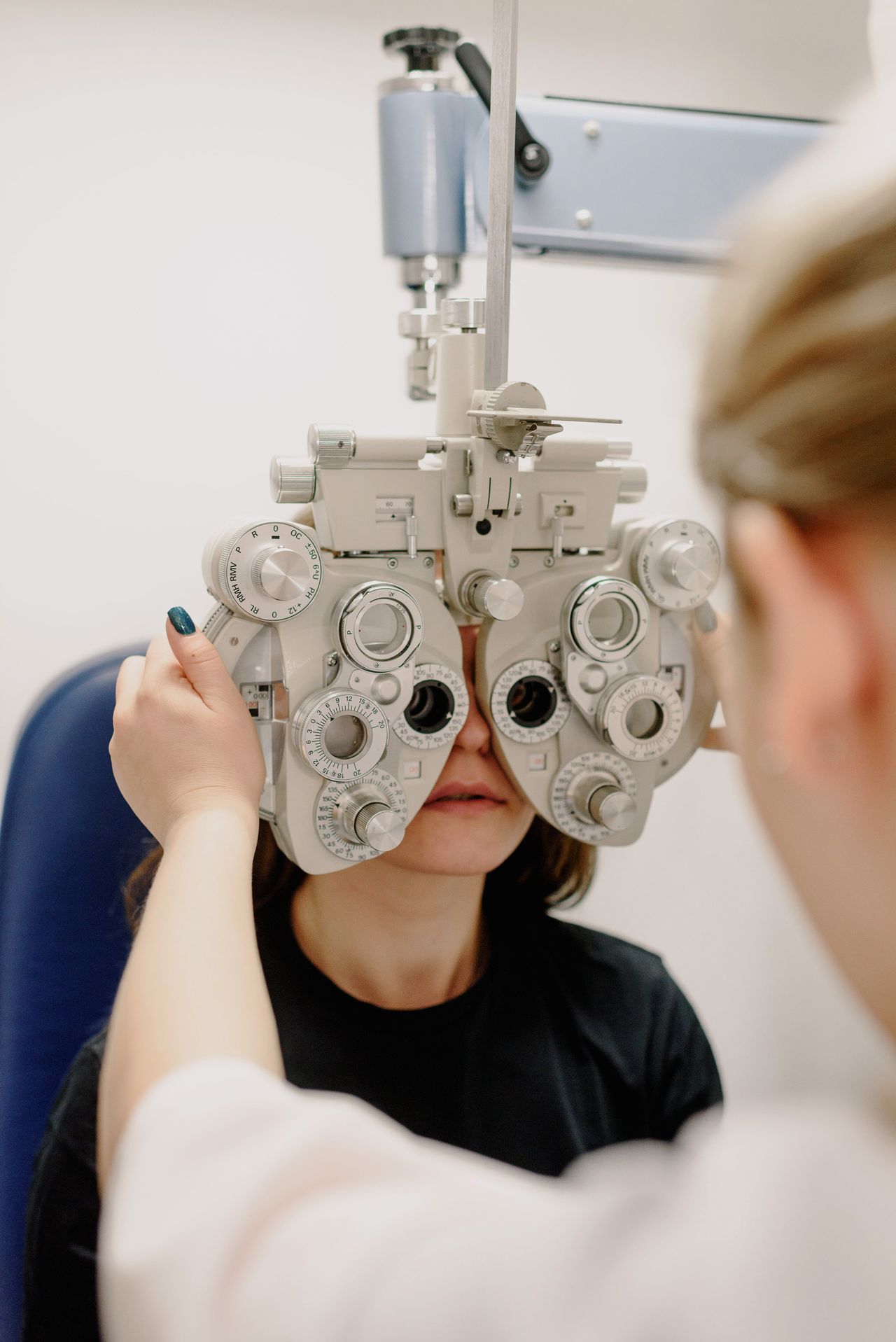
  • Specialized medical data – Eye examination results, dental X-rays, lung MRIs for cancer patients
  • Treatment records – Medical procedures, diagnoses, and ongoing care documentation

If you are a patient affected by a medical device data breach, or a healthcare provider facing claims, understanding your legal rights and responsibilities is crucial. Our law firm assists victims nationwide in data privacy lawsuits, holding negligent parties accountable.

Why Misconfigured Healthcare Devices Are a Growing Data Security Threat

Modern healthcare depends on connected devices — from patient monitoring systems and infusion pumps to imaging equipment and diagnostic tools. Unfortunately, when these devices are misconfigured — often due to weak passwords, outdated firmware, or improper network settings — they become an open door for hackers. Misconfiguration can allow cybercriminals to:

  • Access protected health information (PHI) without authorization
  • Interfere with critical medical functions
  • Cause prolonged service disruptions in hospitals
  • Expose patient records to the dark web

These breaches don’t just violate HIPAA regulations — they create real-world harm. Patients may suffer medical identity theft, insurance fraud, or even denial of care due to corrupted records.

Medical Record

Common Causes of Misconfigured Healthcare Device Data Breaches

Healthcare providers and IT teams face mounting pressure to connect devices quickly. However, speed often comes at the expense of security. The most frequent misconfiguration issues include:

  • Default or weak passwords left unchanged from factory settings
  • Unsecured network ports allowing unauthorized remote access
  • Outdated firmware or software with known vulnerabilities
  • Improper cloud storage settings exposing patient records publicly
  • Lack of encryption for data in transit or at rest

HIPAA Compliance & Legal Liability

The Health Insurance Portability and Accountability Act (HIPAA) requires healthcare providers to secure patient data at all times. Failure to configure devices properly may be considered a breach of the HIPAA Security Rule, triggering:

  • Federal fines and penalties
  • State-level privacy law violations
  • Class action lawsuits from affected patients

In recent years, regulators have been aggressive in pursuing enforcement actions, with settlements often reaching millions of dollars. Hospitals, device manufacturers, and third-party IT contractors can all share legal responsibility.

What Modat’s Research Uncovered

Using its Magnify scanning platform, Modat located over 1.2 million exposed healthcare devices worldwide. The majority were in the United States (174,000+), followed by South Africa, Australia, Brazil, Germany, Ireland, and Great Britain.

Researchers found fully accessible MRI brain scans annotated with patient names and dates, eye exam results, dental X-rays, blood test results, and lung imaging for cancer patients. Common causes of the exposures included default or weak passwords like “admin” or “123456,” outdated or unpatched software, misconfigurations, and inadequate authentication.

Why Misconfigured Medical Devices Are High-Risk

The healthcare system employs a vast array of connected devices with embedded operating systems—often outdated, unsupported, or vulnerable to attack. These legacy systems, essential for patient care but never designed with cybersecurity in mind, become easy targets. Weak authentication, lack of encryption, insecure network access, and missing software patches all compound the danger, allowing unauthorized access, data interception, or even remote control of devices.

This not only compromises patient data but also threatens patient safety — attackers could manipulate diagnostic readings, hinder treatment, or create life-threatening situations.

Legal Implications for Healthcare Providers

Healthcare institutions may face serious legal liability if misconfigured devices expose patient information. Key areas of concern include:

  • HIPAA Violations: Exposing protected health information (PHI) through insecure devices constitutes a violation of federal privacy and security standards.
  • Negligence Claims: Hospitals have a legal duty to protect patient data. Failure to configure devices securely may result in lawsuits.
  • Data Breach Notification Laws: Many states require prompt notification to affected individuals when their personal data is compromised.

Steps Healthcare Providers Must Take Now

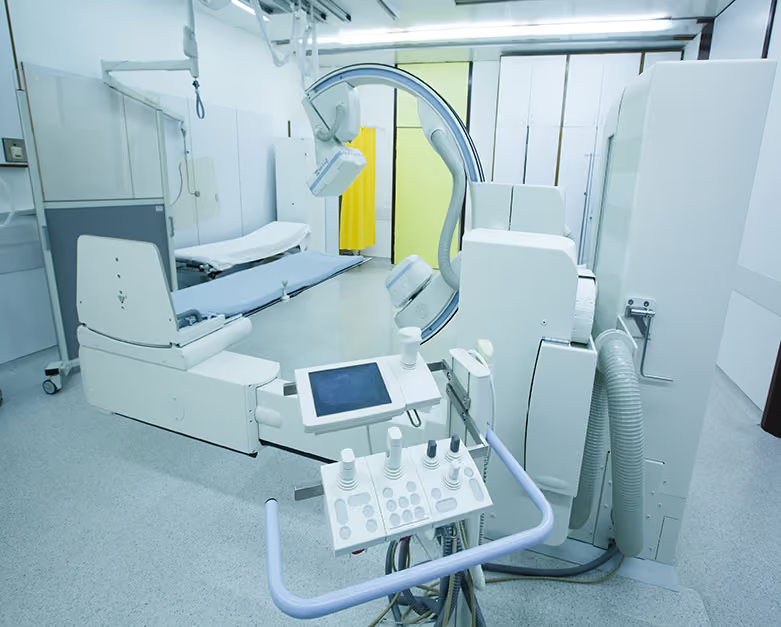
Healthcare organizations cannot afford to treat device security as an afterthought. The first step must be conducting a comprehensive inventory of every internet-connected device within the network—ranging from imaging systems and diagnostic tools to hospital management servers. This audit should not only identify what is connected but also assess the security posture of each device, flagging outdated software, missing patches, and default credentials.

Once vulnerabilities are identified, administrators must implement strong security configurations such as unique, complex passwords, multi-factor authentication, and role-based access control to ensure that only authorized personnel can access sensitive systems.

Regular patch management is critical, particularly for devices running legacy operating systems that may no longer receive vendor updates. In such cases, providers should work with cybersecurity teams to deploy compensating controls, such as isolating vulnerable devices from the broader network through segmentation and firewall rules. Deploying continuous network monitoring and intrusion detection systems can help detect suspicious activity early, reducing the window of exposure.

Equally important is training staff on cybersecurity best practices. Even the most secure technical controls can be undermined by human error, such as weak password practices or falling victim to phishing attacks.
Finally, healthcare providers should collaborate with regulatory bodies and industry groups like the FDA, CISA, and Health-ISAC to stay updated on emerging threats, compliance obligations, and available mitigation strategies. By treating device security as a continuous process rather than a one-time project, healthcare systems can dramatically reduce the risk of catastrophic data breaches.

Protect Your Privacy & Exercise Your Legal Rights

If you are a patient whose sensitive medical data—such as MRI scans, blood test results, or other diagnostic records—was exposed due to a healthcare provider’s misconfigured devices, you may have legal options.

A qualified healthcare data privacy attorney can investigate whether your data was improperly accessed, determine whether the exposure was due to poor security practices, and help you pursue claims for damages. Compensation may cover not only the financial costs of identity theft protection and monitoring but also the emotional and reputational harm caused by the breach.

Legal action can also pressure healthcare providers to strengthen their security measures, protecting future patients from similar harm. If you suspect that your personal medical information has been exposed, do not wait—early legal consultation can help secure evidence, establish liability, and preserve your rights.

Misconfigured Healthcare Device Data Breach FAQ

  • What types of devices were exposed in Modat’s findings? Around 1.2 million devices worldwide—including MRI, CT, X-ray machines, DICOM viewers, blood test systems, and hospital management systems—were accessible through misconfigurations or weak security.
  • Why does a device misconfiguration matter legally? Misconfigurations may violate HIPAA, breach provider duty of care, and mandate breach notifications under state and federal law.
  • Could exposed data lead to identity theft or fraud? Yes. Exposed sensitive information—like scans with patient identifiers—can facilitate identity theft, phishing, or even blackmail.
  • Can patients bring a lawsuit for exposure through misconfigured devices Potentially. If exposure resulted from negligence and led to harm, emotional distress, or identity theft, patients may have grounds for legal action.