Woodworker Accident Lawsuits
Accidents involving saws, lathes, or other machinery can cause severe injuries, while prolonged exposure to wood dust, chemicals, and toxic finishes can lead to chronic illnesses like respiratory disease or skin disorders. Many injured workers and hobbyists are unaware of their legal rights, assuming workplace protections or personal insurance will cover all costs.
In reality, victims of woodworking injuries or toxic exposure may be entitled to compensation beyond standard coverage. Filing a legal claim can hold negligent employers, manufacturers, or suppliers accountable.
Workers in the wood and timber industry may be subject to a large number of occupational health risks, resulting from toxic chemical exposure to wood treatments, including solvents, preservatives, and adhesives. Physical injuries from work hazards, dangerous machinery and noise and vibration are also common in the wood industry, making it one of the most dangerous in the United States.
Formaldehyde exposure has had devastating effects on workers in the wood industry, and is known to cause some forms of cancer after chronic exposure at the workplace. The National Toxicology Program (NTP) classifies formaldehyde as “known to be a human carcinogen.”
Studies of wood industry employees exposed to formaldehyde in the workplace have reported a link between formaldehyde exposure and cancer. These studies primarily observed workers in occupational settings that use formaldehyde resins and solvents.
Joe Lyon is a highly-rated wood worker injury lawyer representing plaintiffs nationwide in a wide variety of civil litigation and workplace injury claims.
Formaldehyde Exposure Risks in Woodworking
Chronic occupational exposure to formaldehyde presents serious risk. Studies have found that woodworkers and other professionals that use formaldehyde have an increased risk of leukemia, particularly acute myeloid leukemia (AML).
One study found that workers exposed to formaldehyde had elevated levels of chromosome changes in early white blood cells, supporting the association between formaldehyde exposure and leukemia. National Cancer Institute researchers have also warned that exposure to formaldehyde may cause acute myeloid leukemia (AML).
When formaldehyde or other airborne toxins are present in a wood shop, exposed workers may have adverse reactions and negative health effects that may include the following:
• Burning sensations of the eyes, nose, and throat
• Coughing
• Wheezing
• Nausea
• Skin irritation and reactions
Working with Toxic Wood Materials & Chemical Hazards
Some finishes and coatings used in finishing processes contain chemicals that can affect the central nervous system, causing headaches, nausea, and dizziness. Health hazards can cause both acute and chronic health effects.
Toxins may harm the body in three ways: through inhalation, ingestion, or by direct skin contact. After any such injury, contact a medical professional and wood worker injury lawyer.
A worker’s skin may absorb many chemicals like solvents, and they may enter the bloodstream. Aside from formaldehyde, a wide range of other adhesives solvents and coating agents used to finish wood products are hazardous to the health of wood workers, including the following:
• Lacquers—nitrocellulose topcoats
• Varnishes—acid-catalyzed coatings
• Turpentine
• Toluene
• Xylenes
• Epoxy resin
• Methyl ethyl ketone (MEK)
• Methanol
ABOUT THE LYON FIRM
Joseph Lyon has 17 years of experience representing individuals in complex litigation matters. He has represented individuals in every state against many of the largest companies in the world.
The Firm focuses on single-event civil cases and class actions involving corporate neglect & fraud, toxic exposure, product defects & recalls, medical malpractice, and invasion of privacy.
NO COST UNLESS WE WIN
The Firm offers contingency fees, advancing all costs of the litigation, and accepting the full financial risk, allowing our clients full access to the legal system while reducing the financial stress while they focus on their healthcare and financial needs.
Mitigating Woodworking Machine Hazards
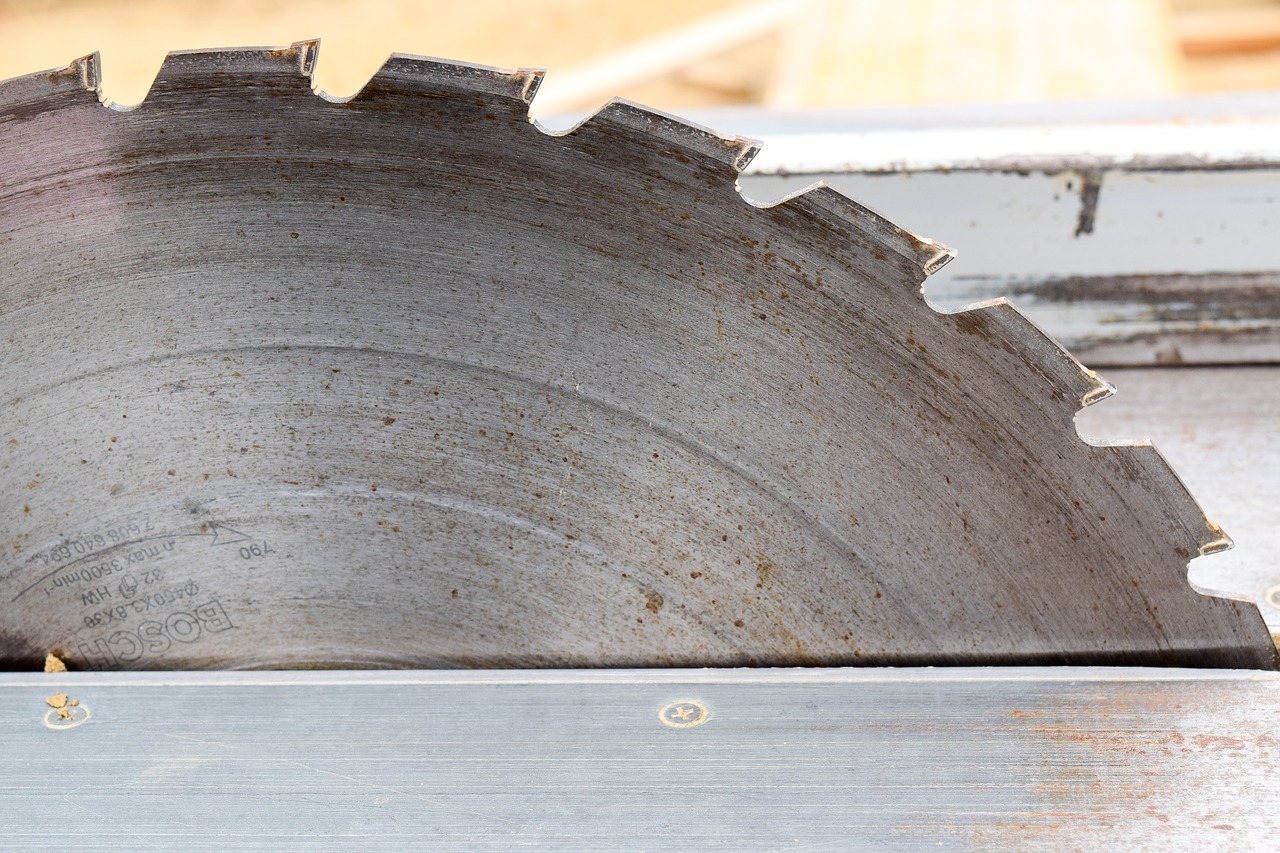
Workplace safety precautions are not limited to only chemical exposures, but also serious machine hazards that result in thousands of employee injuries each year in the United States. Some severe injuries result from incidents that include:
• Machine and saw kickbacks
• Defective Power Tools
• Fire and explosion hazards
• Electrical hazards
• Noise and Vibration
• Flying particles—wood chips, splinters, broken saw teeth, and other material
• Nip points—clothing, hair, or hands may be caught by automatic machine feeds
Hazardous Woodworking Equipment
• Circular saws
• Crosscut saws
• Ripsaws
• Overhead Swing saws
• Straight Line Pull Cutoff Saws
• Radial Saws
• Band Saws
• Jig Saws
• Jointers
• Shapers
• Power Planers
• Molders
• Lathes
• Sanders
• Routers
• Boring Machines

Wood Dust Inhalation Cancer
Exposure to wood dust has long been associated with a variety of adverse health effects, including dermatitis, respiratory effects, and some kinds of cancer. Certain types of saw dust have been determined to be a top-level carcinogen by the International Agency for Research on Cancer (IARC).
Health studies have shown that wood industry workers have an above-than-average risk of developing nasal and sinus cancers, especially adenocarcinoma. This disease can lay dormant and may only become evident about 40 years after initial exposure.
The dangers are especially evident when the wood processing involves saw dust inhalation. There may be an increased risk for laryngeal cancer in wood workers due to the fine dust irritating sensitive areas of the respiratory system.
Hire a Work Injury & Toxic Exposure Lawyer
The Lyon Firm is a law firm dedicated to protecting workers and improving workplace safety conditions by holding employers accountable for unsafe work environments that lead to injury or illness.
When an employer fails to protect workers or fails to provide basic safety gear and protective equipment set forth by OSHA guidelines, employees may file employer negligence lawsuits with a wood worker injury lawyer.

A Voice for Those who have suffered
Why Choose Joe Lyon?
Workplace accident cases often involve multiple parties, complex liability issues, and detailed evidence, from safety reports to medical records. Hiring a skilled attorney like Joe Lyon ensures you have professional guidance at every stage. An experienced lawyer can:
-
Investigate the accident thoroughly to identify all responsible parties
-
Gather and preserve crucial evidence for court or settlement negotiations
-
Communicate with insurers and opposing counsel effectively
-
Advise on realistic compensation expectations and long-term care needs


