

Angiosarcoma | Toxic Exposure
Toxic Exposure Lawyer Investigating VC Exposure & Angiosarcoma


.avif)



Toxic Exposure Attorney
Medical research has established that long-term exposure to vinyl chloride can cause severe liver damage and increase cancer risk. Despite this knowledge, many workers were not given adequate protections, leaving them vulnerable to life-threatening illnesses.
Investigating angiosarcoma diagnoses following toxic exposure
Angiosarcoma is a form of sarcoma that is considered a clinically highly variable cancer of the blood vessels. Angiosarcomas are relatively rare, comprising only 1 to 2 percent of sarcomas. The risk of recurrence depends on the stage of disease. The cancer is thought to be caused by exposure to Vinyl Chloride and other toxins.
Over 40 years ago, the U.S. Centers for Disease Control and Prevention (CDC) published an intensive study of the health dangers of a chemical plastics plant. The review determined vinyl chloride (VC) monomer was a causative agent of the deadly cancer Angiosarcoma.
Several subsequent studies over recent years have confirmed the association, and workers in the chemical and plastics field have seen first-hand the dangerous health consequences. VC is now universally considered to be a highly potent chemical carcinogen.
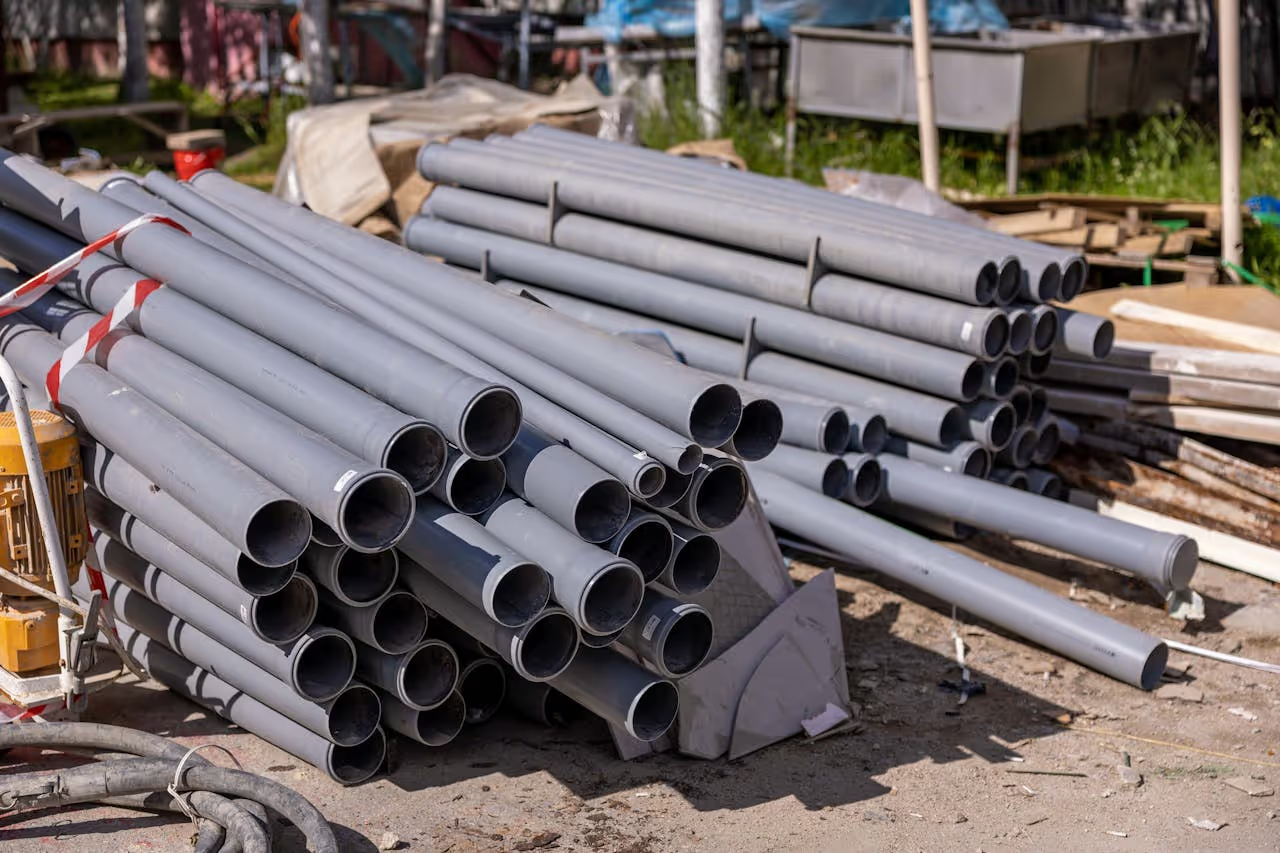
Vinyl chloride (VC) is manufactured exclusively for polymerization into polyvinyl chloride (PVC), a plastic used in various industries and capacities, such as construction, piping, packaging, wire and cable coatings, and transportation.
Vinyl chloride is also used as a combustion product in tobacco. The toxic products are also in household products such as flooring, water piping, videodiscs, and even credit cards.
Reviews by the World Health Organization and the International Agency for Research on Cancer (IARC) have repeatedly warned that vinyl chloride is a human carcinogen. The U.S. Environmental Protection Agency (EPA) has echoed these concerns, though the chemical still causing widespread damage. Exposure to the toxic material can cause reactions that primarily target the liver, brain, and lungs.
Joe Lyon is a highly-rated Toxic Tort Attorney and catastrophic injury lawyer representing plaintiffs nationwide in a wide variety of civil litigation claims.
Vinyl Chloride Exposure Risks
Vinyl chloride exposure is associated with an increased risk of Angiosarcoma, as well as brain and lung cancers, lymphoma, and leukemia. There is also evidence that certain disorders, such as pneumoconiosis and excess fetal deaths, may be associated with exposure to the chemical.
VC Exposure in the Workplace
Workers constitute the population most heavily exposed to chemical toxins and physical agents. Exposure to high levels of VC at the workplace can result in an increased incidence of angiosarcoma.
A review of studies involving about 45,000 workers exposed to VC showed an increase in incidence of cancer. Health issues of the respiratory tract, digestive system, lymphatic, pharynx, cardiovascular system and colon and stomach were reported to show an increased incidence in one or more studies.
Angiosarcoma Cancer Clusters
In the 1970s, a cluster of cases of Angiosarcoma of the liver, a rare cancer, was detected among workers in a Kentucky chemical plant. Officials from the CDC’s Bureau of Epidemiology, the National Institute for Occupational Safety and Health, and the National Cancer Institute investigated the workplace and determined that the workers were all exposed to vinyl chloride had an increased rate of Angiosarcoma of the liver.
Four cases of Angiosarcoma of the liver were diagnosed among men working in the polyvinyl chloride polymerization section of a B.F. Goodrich plant. All four men had worked in the toxic conditions for at least 14 years prior to onset of illness.
Medical officials confirmed the existence of the outbreak, and also discovered pre-malignant lesions in other members of the factory workers heavily exposed to VC.
Publication of this report in 1974 resulted in a series of clinical investigations and studies. Since then, exposure to vinyl chloride has been known to be a major risk factor for the development of Angiosarcoma.
Vinyl Chloride Cancer Risks
The recognition of vinyl chloride as carcinogenic stimulated regulatory activity. Consequently, the plastics-manufacturing industry developed a process that reduced releases of VC, partially eliminating worker exposures. However, even with stricter regulations on vinyl chloride in the workplace, the question of its health effects remains.
According to the U.S. Environmental Protection Agency data, there are over a dozen major PVC facilities in the United States. PVC plants in Kentucky, and Louisiana, still pollute the air with vinyl chloride.
Angiosarcoma Lawsuits & PVC
- In 2014, residents of McCullom Lake, Illinois, settled a lawsuit in which they claimed vinyl chloride from a nearby chemical plant bled into groundwater, and thereby caused a cluster of 33 brain tumors. The Illinois Environmental Protection Agency had worked with the company to clean up toxic chemicals on the site since 1991. The settlement comes after eight years of litigation against a subsidiary of Dow Chemical Co.
- During the 1980s, General Tire workers in an Ashtabula, Ohio plant were exposed to large amounts of vinyl chloride, years after the government set strict exposure limits. Former workers of the PVC plant, owned by General Tire & Rubber Co., were diagnosed with Angiosarcoma, traced to the chemical exposure.
- GenCorp, Inc., a major producer of polyvinyl chloride, was named in a conspiracy lawsuit in Lake Charles, Louisiana. Lawyers named a total of 32 vinyl chloride and PVC manufacturers. While attorneys requested GenCorp to disclose every case of cancer that occurred among former plant employees, the company claimed it has lost employee medical records. Lawyers allege that GenCorp and dozens of other chemical firms covered up evidence of vinyl chloride’s toxicity and influenced an industry-funded, nationwide worker-mortality report.
Negligent PVC Manufacturers
Thousands of people still work in PVC production and fabrication, making flooring, siding, medical equipment, electrical wiring, cables and other products. These workers may have a risk of illness associated with their workplace.
In addition, former workers in the chemical plastics industry are likely to have been exposed to VC toxins and may have a claim against manufacturers and employers. Any victim of these occupational hazards may contact an attorney for possible legal assistance.
Risk Factors of Angiosarcoma
Angiosarcoma of the skin makes up the majority of angiosarcoma cases, usually found on the scalp and face. The most common primary origins for angiosarcomas to form is in the head and neck area, heart, bone, liver, spleen, and breast, frequently years after radiation and breast cancer surgery.
Approximately 25 percent of angiosarcomas are found in deep tissue, and around 8 percent are found in breast tissue. Unlike most sarcomas, which travel via the bloodstream to other organs such as lung or liver, angiosarcomas often travel to lymph nodes.
Factors that may increase your risk of sarcoma include:
• Inherited syndromes and genetic irregularities
• Previous radiation treatment for other cancers
• Chemical exposure—exposure to certain herbicides, arsenic and dioxins
• Vinyl chloride (a chemical used in making plastics) is a risk factor for developing sarcomas of the liver
• Arsenic has been linked to a type of liver sarcoma
• Exposure to herbicides at high doses (in farm settings) may cause cancer
Age appears to play a factor as well. Studies show peak incidence is in the seventh decade of life.
Experienced. Compassionate. Consumer Advocates
The Lyon Firm is a Cincinnati, Ohio-based law firm, representing individuals nationwide in class action, product liability, and toxic exposure litigation.

.avif)
Why You Should Hire an Experienced Attorney?
Angiosarcoma claims involving vinyl chloride require specialized legal and scientific knowledge. Proving the link between exposure and cancer demands expert testimony and thorough investigation of corporate practices.
The toxic exposure attorneys at The Lyon Firm have extensive experience in toxic exposure litigation and are dedicated to holding companies accountable for placing profits above safety. We work tirelessly to secure financial recovery for victims and their families while pushing for safer industry standards.
Handling Complex Data Privacy & Cyber Security Cases
Request A Free Consultation Now

Toxic Exposure Lawsuits
Request a Free Consultation
Taking the first step doesn’t have to be complicated. In just a few minutes, you can share the basics of your case, and our team will guide you from there:
- It begins with a few simple questions about your situation.
- From there, a member of our legal team reviews your case.
- Together, we’ll chart the path forward, helping you take the next step toward resolution.
