

Popcorn Lung Lawsuit
Permanent lung damage from diacetyl exposure? We hold companies accountable.


.avif)


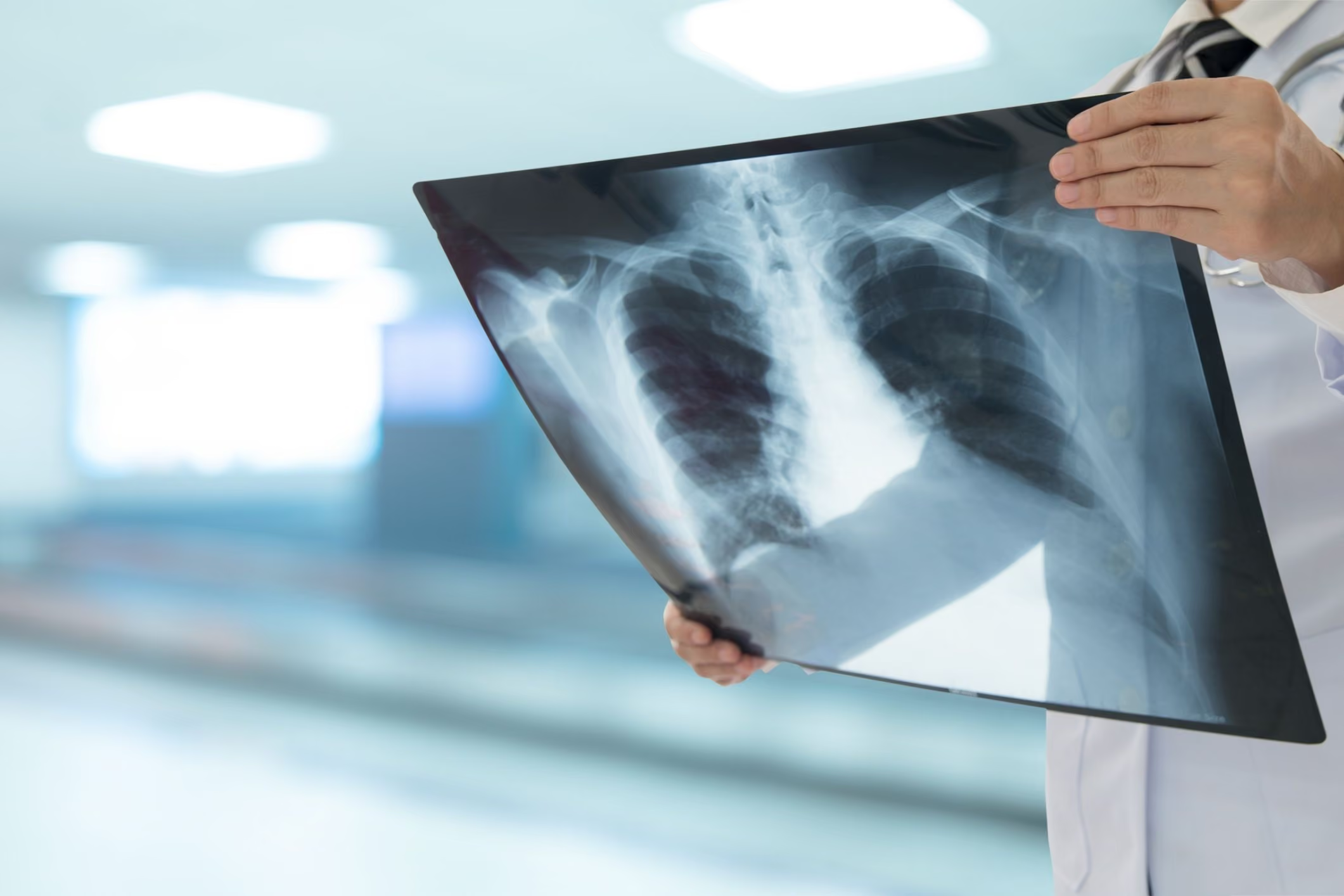
If toxic workplace vapors stole your ability to breathe easily, you don't have to carry that burden alone or let the companies responsible off the hook.
Large corporations have known about the dangers of artificial butter flavorings for decades, yet many allowed employees to inhale toxic fumes without proper warnings or protective gear.
At The Lyon Firm, we do not let everyday people get pushed around by negligent companies. When corporate decision-makers put profits ahead of your health, we hold them accountable.
If you or a loved one developed a severe respiratory illness due to chemical exposure, working with a popcorn lung lawyer can help you secure financial recovery for medical bills, lost income, and your overall quality of life.
Call our team today at (513) 381-2333 or fill out our online form to speak with our team and learn about your legal options during a free consultation.
“Joe Lyon is an outstanding attorney. He is a forward thinker with his clients' needs always top of mind. He is a brilliant strategist and incredibly resourceful. Highly recommend.”
- Melissa J. | Client
What Is Popcorn Lung (Bronchiolitis Obliterans)?
Popcorn lung, medically known as bronchiolitis obliterans, is a rare but serious condition that damages the small airways in the lungs and can cause permanent breathing problems.
The disease shot into public awareness years ago after workers in microwave popcorn, coffee roasting, and flavoring plants developed severe respiratory illness linked to inhaling certain chemical flavorings. More recently, concerns over e-cigarette and vaping exposures have led to additional scrutiny and legal claims.
Bronchiolitis obliterans is an inflammatory disease that leads to scarring and narrowing of the bronchioles, the smallest air passages in the lungs.
The condition can progress despite treatment and in many cases results in long-term impairment or the need for a lung transplant. Because the disease mimics other respiratory illnesses like asthma or COPD, an accurate diagnosis requires pulmonary function testing, imaging, and specialist evaluation.
Symptoms of Popcorn Lung
Recognizing the warning signs early is essential for getting the care you need. The symptoms of bronchiolitis obliterans usually appear gradually over several weeks or months, though intense chemical exposure can cause a sudden onset.
Unlike a typical cold or bronchitis, these symptoms do not improve once you leave your workplace or stop using the product.
Key signs to look out for include:
- A persistent, dry cough that does not produce mucus or fade over time.
- Shortness of breath during basic daily activities or light exercise.
- Unexplained wheezing or catching your breath while resting.
- Unusual fatigue, night sweats, unexplained weight loss, or mild fever.
- Irritation in your eyes, nose, throat, or skin from chemical vapors.
Because these airway scars are permanent, waiting to seek care can lead to rapid lung function loss. If you notice these symptoms, see a pulmonologist immediately and mention any past workplace exposures.
In 2000, a Missouri popcorn plant became one of the first major examples linking diacetyl exposure to “popcorn lung.” A NIOSH investigation found that 30 workers developed bronchiolitis obliterans, and testing of 117 employees revealed more than 3 times the normal rate of permanent airway obstruction compared to the general population.
Where Does Chemical Lung Exposure Happen?
How do people end up breathing in these hazardous chemical fumes? Severe lung damage rarely happens by accident. It usually occurs when workers or consumers inhale diacetyl and other diketones that have been heated, sprayed, or mixed in tight spaces without proper air filtration.
Understanding the difference between eating and breathing these chemicals is key. Regulators like the FDA generally consider diacetyl "safe to eat" in small amounts.
However, inhaling aerosolized diacetyl vapors directly into your delicate lung tissue is extremely dangerous.
The most common ways people breathe in these dangerous vapors include:
- Industrial Food Processing & Packaging Operations: The Occupational Safety and Health Administration (OSHA) explicitly links flavorings-related lung disease to airborne chemical vapors released on factory floors. Workers face severe risk during the mixing, pouring, heating, spraying, and packaging of liquid butter flavorings in microwave popcorn plants, industrial bakeries, candy manufacturing lines, and snack food facilities.
- Commercial Coffee Roasting and Flavoring: When whole coffee beans are roasted, ground, and mixed with liquid flavoring additives, concentrated diacetyl and related compounds are released into the surrounding air.
- Flavored E-Cigarettes and Vaping Liquids: When heated, these liquids turn into toxic vapors that users pull deep into their lungs, prompting the American Lung Association to issue strong warnings about vaping-related popcorn lung risks.
- Consumer Butter Sprays and Aerosols: Inhalation dangers are not limited to factory workers or vapers. Certain cooking sprays and butter-flavored aerosol products can generate inhalable chemical vapors during normal, everyday kitchen use, exposing consumers in their own homes.
- Workplace Safety Failures: In many occupational cases, companies fail to provide proper respirators, neglect basic air testing, or refuse to install industrial exhaust ventilation systems capable of clearing toxic fumes from breathing zones.
The Science Behind Diacetyl and Airway Scarring
Understanding how a food additive turns into a life-altering lung condition comes down to how the chemical interacts with your body.
While eating small amounts of diacetyl in food is safe because your stomach breaks it down, your lungs do not have that defense. Breathing in high concentrations of airborne flavoring vapors creates a very different, highly dangerous reaction.
From Inhaled Chemical to Permanent Lung Scarring
When heated diacetyl vapors travel into your respiratory tract, the chemical strips away the protective lining of your bronchioles. This triggers severe, continuous inflammation. As your body attempts to heal itself, thick scar tissue forms in these delicate airways, permanently narrowing or blocking airflow. This irreversible damage is the medical definition of bronchiolitis obliterans.
What Research Revealed About Exposure Levels
The connection between diacetyl and lung disease became clear after health officials investigated clusters of sick factory workers at a microwave popcorn plant.
Medical researchers discovered that employees who worked near open mixing vats or heated packaging lines, where cumulative chemical fumes were highest, suffered the most rapid, severe drops in lung capacity.
The Legal Foundation for Victims
As medical studies proved that inhaled diacetyl destroys human lung tissue, major food manufacturers began phasing out the chemical to reduce worker risk.
However, for many long-term employees and consumers, that switch came far too late. The decades of scientific evidence proving these dangers form the core foundation of every diacetyl exposure lawsuit filed today, helping hold negligent companies accountable for ignoring known health hazards.
A landmark medical study of microwave popcorn factory workers revealed that employees exposed to diacetyl fumes had over 3 times the normal rate of lung obstruction, and non-smokers faced nearly 11 times the risk compared to the general public.
Types of Financial Recovery Available in a Popcorn Lung Disease Lawsuit
If corporate negligence caused your illness, filing a popcorn lung lawsuit allows you to pursue compensation for:
- Medical Costs: Past, current, and future expenses for doctor visits, specialized medications, hospital stays, oxygen therapy, and lung transplant procedures.
- Lost Income and Earning Potential: Compensation for missed workdays, lost future wages, and loss of earning capacity caused by permanent disability.
- Physical Pain and Reduced Quality of Life: Financial recovery for ongoing physical discomfort, loss of mobility, and emotional distress.
- Wrongful Death Damages: Funeral expenses and financial stability for families who lost a primary breadwinner to chemical lung damage.
A comprehensive survey by Martindale-Nolo found that over 90% of injured individuals who hired a lawyer received compensation, compared to just 51% of those who tried to handle their claims alone. Furthermore, claimants with legal representation secured an average gross payout of $77,600, which is more than four times higher than the $17,600 average for those without an attorney.
A Proven Track Record: Fighting for Workers Harmed by Toxic Exposures
At The Lyon Firm, we are no strangers to standing up for workers whose health was compromised by toxic workplace hazards. We have a long history of taking on tough corporate defendants and securing multi-million-dollar recoveries for families facing life-altering lung conditions:
- $3,200,000 Toxic Workplace Exposure Settlement: Secured a $3.2 million settlement paid over five years to the surviving spouse of a Pittsburgh steelworker who developed pleural mesothelioma from on-the-job asbestos exposure.
- $3,050,000 Toxic Dust & Lung Disease Settlement: Obtained $3,050,000 (with additional claims pending) for the estate of an Iowa molding and assembly worker who suffered fatal asbestos exposure.
Whether fighting toxic dusts or chemical vapors like diacetyl, we do not let negligent companies push workers around. Call (513) 381-2333 or fill out our online form to discuss your case.
Diacetyl in E-Cigarettes and Vapes
In July 2017, the U.S. Food and Drug Administration (FDA) announced a directive to reduce tobacco-related disease with a new plan for tobacco and nicotine regulation. While e-cigarettes are often marketed as safer alternatives to traditional smoking, a study conducted by the Harvard School of Public Health found diacetyl in more than 75% of flavored electronic cigarettes and vaping liquids tested by researchers.
Many people are still being exposed to toxic chemicals through e-cig vapor. If you or a family member developed severe lung damage after using flavored e-cigarettes, you may have grounds to file a popcorn lung disease lawsuit against the manufacturers for failing to disclose these hazards.
Corporations Named in Diacetyl and Popcorn Lung Claims
Major manufacturers have faced severe legal consequences for exposing workers and consumers to toxic flavorings without proper warnings.
American Pop Corn Company
Former and current employees of American Pop Corn Company production plants faced significant risks of developing lung disease due to artificial flavorings. Bronchiolitis obliterans heavily affected workers in production and packaging roles in Sioux City, Iowa.
Medical experts identified diacetyl as the culprit. While the company has now phased diacetyl out of its products, American Pop Corn brands that historically contained diacetyl included:
- Jolly Time
- Blast O’ Butter
- Butterlicious
- Better Butter
- White and Buttery
- Crispy ‘n White
- KettleMania
- The Big Cheez
- Mallow Magic
- Sassy Salsa
Weaver Popcorn Company
Weaver Popcorn Co. of Indianapolis, Indiana, eventually stopped using diacetyl in its artificial butter flavoring due to lawsuits from consumers and plant workers. Employees working near production lines faced daily exposure to toxic vapors, putting them at risk for long-term health issues like popcorn lung, occupational asthma, emphysema, and interstitial lung disease.
Conagra Popcorn Lung Litigation
Conagra employees working with artificial flavorings faced heavy chemical exposure. Microwave popcorn plant and flavored coffee plant workers developed obstructive lung diseases like constrictive bronchiolitis obliterans. The resulting airway scarring blocks oxygen flow, forcing several affected workers onto lung transplant waiting lists.
General Mills & Diamond Foods Claims
Employees of General Mills or Diamond Foods who handled and packaged Pop Secret popcorn products faced risks of permanent lung injury. Pop Secret was previously manufactured by General Mills and later purchased by Diamond Foods (now under Snyder’s-Lance). The National Institute for Occupational Safety and Health (NIOSH) warned that long-term exposure to diacetyl in these facilities leads to irreversible lung conditions.
Consumer Popcorn Lung Claims
It is not just factory workers who face these risks. According to the EPA, popping microwave butter-flavored popcorn releases diacetyl into the air, with 80% of the chemical fumes escaping within the first few seconds of opening the bag.
Juries have awarded multi-million-dollar verdicts to consumers who developed popcorn lung after eating microwave popcorn regularly at home. These lawsuits proved that food manufacturers knew about the chemical hazards but failed to warn everyday shoppers.
Who May Qualify for a Popcorn Lung Lawsuit?
If you suffered lung damage from chemical exposure, you may be eligible to pursue a diacetyl and popcorn lung claim against the responsible parties.
Potential plaintiffs include:
- Current and Former Factory Workers: Employees in flavoring, coffee roasting, popcorn, or snack production who worked around aerosolized chemical vapors without proper respirators or workplace ventilation.
- E-Cigarette and Vape Users: Consumers who developed severe respiratory illnesses after inhaling flavored e-liquid vapors.
- Everyday Consumers: Individuals who developed bronchiolitis obliterans from heavy exposure to consumer products containing diacetyl.
- Surviving Family Members: Families who lost a loved one to chemical lung disease and wish to pursue a wrongful death claim.
Gathering Evidence for Your Popcorn Lung Lawsuit
Building a strong lawsuit against a multi-billion-dollar food manufacturer requires clear, concrete evidence. When you partner with a popcorn lung lawyer, we pull together the documentation needed to prove where, when, and how you were exposed.
Key evidence used to build your claim includes:
- Employment & Work History Records: Job titles, work dates, department transfers, shift schedules, and detailed descriptions of your daily job tasks.
- Witness & Coworker Statements: Statements from colleagues, supervisors, or family members who saw your working conditions or noticed when your breathing problems began.
- Workplace Safety Documents: Safety Data Sheets (SDS), hazard communication logs, employee training materials, and chemical warning labels from your facility.
- Air Quality & Hygiene Data: Industrial air sampling results, ventilation system assessments, OSHA compliance audits, and facility air monitoring reports.
- Product Identification (for Consumer Claims): Specific brand names, lot numbers, proof of purchase, packaging photos, and ingredient disclosures for butter sprays or e-cigarettes.
- Internal Workplace Incident Reports: Workers’ compensation files, prior safety complaints, injury reports, and internal company investigations into chemical leaks or exposures.
- Medical & Diagnostic Records: Pulmonologist reports, CT scans, spirometry lung function tests, and biopsy results confirming bronchiolitis obliterans.
Experienced. Compassionate. Consumer Advocates
The Lyon Firm is a Cincinnati, Ohio-based law firm, representing individuals nationwide in class action, product liability, and toxic exposure litigation.

.avif)
Why Choose The Lyon Firm?
When you are going up against multi-billion-dollar food conglomerates or vape manufacturers, you need a firm with the experience, resources, and legal strength to stand toe-to-toe with corporate legal teams.
Nationwide Legal Representation: Attorney Joe Lyon has represented thousands of clients across all 50 states in complex product liability, mass tort, and consumer protection cases over the past 23 years.
The firm has helped recover over $550 million for clients and class members while contributing to high-profile litigations that generated more than $800 million in gross value offered.
Leadership in Complex Litigation: Joe Lyon has served in leadership positions in more than 40 multidistrict product liability proceedings, helping secure life-changing recovery for injured individuals while driving industry safety reforms.
No Upfront Costs: We handle cases on a contingency fee basis, meaning you pay nothing unless we recover compensation for you.
If you or a loved one has been impacted by the devastating effects of popcorn lung due to workplace or another method of exposure, reach out to The Lyon Firm today online or by calling (513) 381-2333.
Handling Complex Data Privacy & Cyber Security Cases
Request A Free Consultation Now

Diacetyl Exposure Lawsuit FAQs

The deadline to file a lawsuit varies by state, typically ranging from one to three years. Crucially, the clock usually starts on the date you were officially diagnosed with bronchiolitis obliterans or discovered the connection between your lung damage and chemical exposure, not necessarily the day you were exposed. Because missing this deadline forever forfeits your right to compensation, it is vital to speak with an attorney as soon as you receive a medical diagnosis.
While the scar tissue caused by bronchiolitis obliterans cannot be reversed, treatments focus on slowing disease progression and relieving symptoms. Pulmonologists often prescribe oral corticosteroids like prednisone to suppress inflammation, alongside inhaled bronchodilators to open airways. For severe cases causing low blood oxygen, daily oxygen therapy or even a full lung transplant may become necessary.
Yes, because liability in product and occupational exposure claims often extends beyond your immediate supervisor. Even if a local plant owner was unaware of the risks, the chemical manufacturers, flavoring distributors, and industrial suppliers who created and sold the diacetyl compounds frequently knew about the severe inhalation hazards. A lawsuit can hold those chemical producers accountable for failing to provide proper safety warnings and material safety data.
Misdiagnosis is extremely common with bronchiolitis obliterans because its early symptoms, coughing, wheezing, and shortness of breath, mirror common conditions like asthma, bronchitis, or COPD. A delayed diagnosis does not invalidate your legal options. Once a specialist confirms chemical-induced scarring through advanced high-resolution CT scans or pulmonary function testing, your legal timeline generally adjusts to the date of your correct diagnosis.
Toxic Exposure Lawsuits
Request a Free Consultation
Taking the first step doesn’t have to be complicated. In just a few minutes, you can share the basics of your case, and our team will guide you from there:
- It begins with a few simple questions about your situation.
- From there, a member of our legal team reviews your case.
- Together, we’ll chart the path forward, helping you take the next step toward resolution.
