

Amtrak Worker Cancer Lawsuit
When railroad work leads to cancer, we help you fight back


.avif)



At The Lyon Firm, our mission is to ensure that individuals and communities affected by exposure to Amtrak diesel emissions receive the justice they deserve.
We fight to make sure Amtrak employees exposed to toxic diesel emissions and heavy chemicals get real accountability. Working on the railroad is demanding work, and when companies let toxic workplace hazards go unchecked, we do not allow those hardships to get swept under the rug.
With our unwavering dedication and a proven track record in environmental litigation, you can trust us to be your ally in the fight for a safer environment for Amtrak workers nationwide. If you or a loved one developed illness after working for the railroad, call us today at (513) 381-2333 or contact us online for a free, confidential case review.
“I have nothing but positive things to say about this law firm and Mr. Lyon. I am the kind of person who has tons of questions, and they were amazing at answering them all. I am very grateful for all the hard work they have done and consider them a trusted resource at this point. If I could give 10 stars, I would!”
- Michael H. | Client
Health Issues in Amtrak Cancer Claims
Diesel exhaust is a dangerous cocktail of harmful gases, nitrogen oxides, and tiny soot particles.
When diesel fuel burns, it releases dangerous toxins into the air, including benzene, formaldehyde, 1,3-butadiene, and polycyclic aromatic hydrocarbons (PAHs).
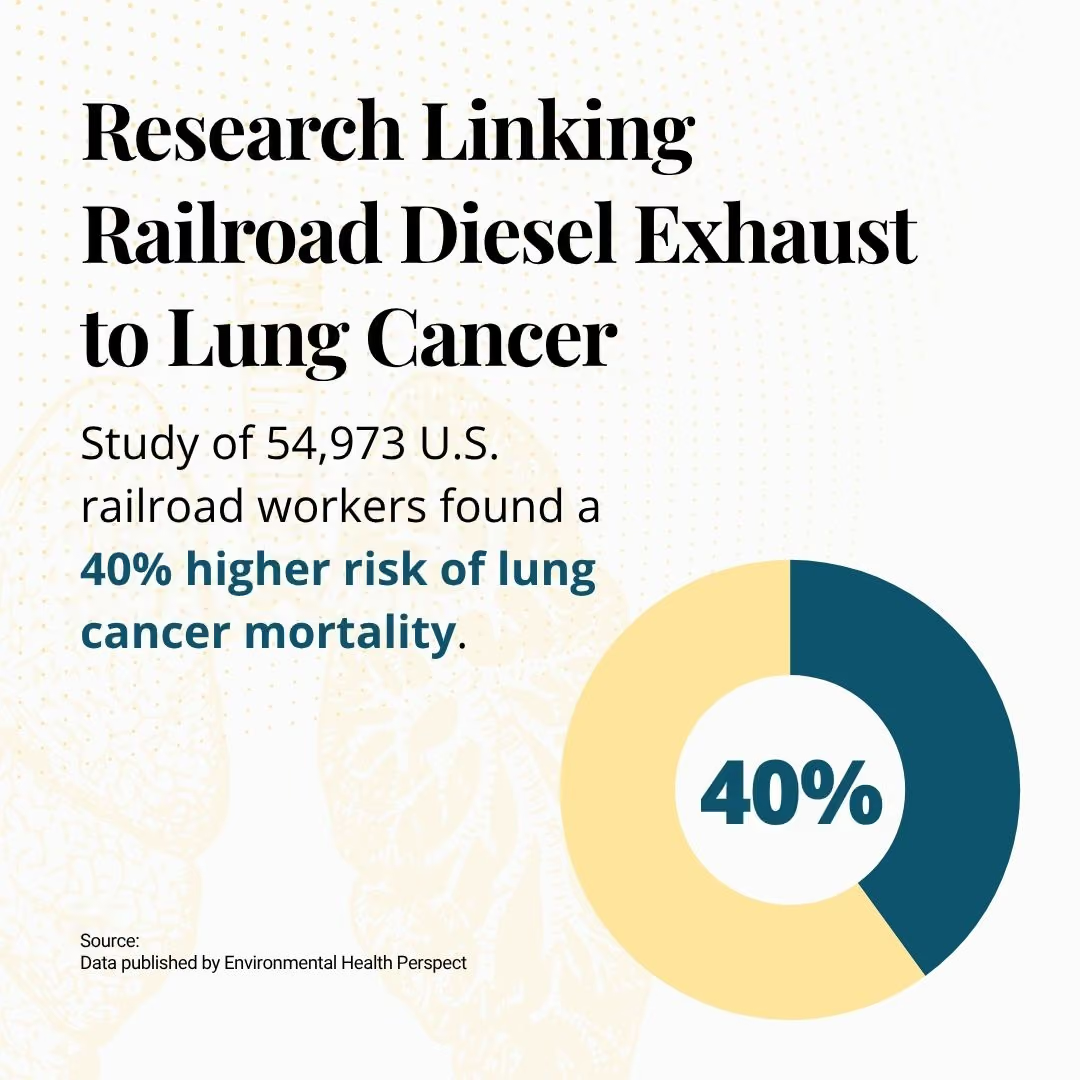
Because these microscopic particles are so small, workers breathe them deep into their lungs, where they enter the bloodstream and cause long-term cellular damage.
Health authorities around the world recognize how dangerous these fumes are. The World Health Organization (WHO), the International Agency for Research on Cancer (IARC), and the National Toxicology Program (NTP) all classify diesel exhaust as a known human carcinogen.
Over time, prolonged exposure to diesel fumes and toxic shop chemicals damages the body from the inside out, leading to severe health conditions:
- Lung Cancer
- Acute Myeloid Leukemia (AML) & Blood Cancers
- Non-Hodgkin Lymphoma & Multiple Myeloma
- Bladder, Kidney, and Digestive Cancers
- Throat, Laryngeal, and Esophageal Cancers
- Chronic Obstructive Pulmonary Disease (COPD)
- Emphysema
- Chronic bronchitis
- Pulmonary fibrosis
- High blood pressure
- Pulmonary hypertension
- Heart attacks
- Heart failure
- Neurological and Immune System Effects
How Are Amtrak Workers Exposed to Diesel Exhaust?
Railroad work often means spending long hours in close contact with heavy machinery, enclosed repair facilities, and running locomotives. Peer-reviewed research confirms that railroad air pollution levels exceed normal background levels, and NIOSH states there is "no known safe level" of exposure to these toxic fumes.
Amtrak employees face dangerous diesel exposure through several specific job conditions:
- Breathing trapped exhaust inside poorly ventilated locomotive cabs, underground passenger tunnels, and enclosed station corridors
- Resting in crew and dormitory cars positioned directly behind lead pulling locomotives on long-distance passenger routes
- Working inside enclosed repair shops, maintenance garages, and roundhouses where locomotives idle without proper exhaust systems
- Inhaling aerosolized diesel mists, solvents, and chemical fumes while spraying down, cleaning, or degreasing engine parts
- Standing near constantly idling engines during yard switching, shunting, train coupling, and refueling operations
- Working trackside near running tie cranes, ballast regulators, and heavy diesel generators during maintenance-of-way tasks
- Handling soot-covered machinery, exhaust vents, and leaked fluids that leave toxic chemical residues on skin and clothing
- Working around other dangerous yard hazards, including silica dust, creosote, asbestos, benzene, and welding fumes, that intensify overall toxicity
Over a career spanning 10, 20, or 30 years, these daily exposures add up significantly.
Amtrak Jobs at Higher Risk of Diesel Exposure
While toxic chemicals can impact anyone working in rail yards or on passenger lines, certain job titles carry an exceptionally high risk of toxic diesel exposure:
- Locomotive engineers and conductors
- Rail yard workers, switchmen, and brakemen couple
- Diesel mechanics, machinists, and shop crafts repair engines
- Carmen and repairmen inspect and fix passenger cars
- Sheet metal workers, electricians, and welders cut metal
- Trackmen, track laborers, and maintenance-of-way (MOW) personnel
- Signalmen and signal maintainers
- Car inspectors and terminal crews
- On-board service personnel work
Do You Qualify for an Amtrak Worker Cancer Lawsuit?
Railroad workers do not fall under standard state workers' compensation laws. Instead, your rights are protected under a federal law passed by Congress called the Federal Employers' Liability Act (FELA).
To qualify for Amtrak diesel exposure claims under FELA, three core factors must be met:
- Railroad Employment: You were employed by Amtrak for a period of time where you were exposed to diesel exhaust, solvents, asbestos, or other toxins.
- A Medical Cancer Diagnosis: You were diagnosed with lung cancer, leukemia, bladder cancer, lymphoma, or another condition linked to diesel exhaust.
- Employer Negligence: You can show that Amtrak failed to provide a reasonably safe workplace. Under FELA, you only need to prove that Amtrak's failure to protect you played even a small part in causing your illness.
Railroads have known about the severe health dangers of diesel exhaust and workplace toxins for decades. When an employer fails to install adequate shop ventilation, fails to maintain locomotive cabs, or fails to provide proper personal protective equipment (PPE), they can be held legally responsible for the resulting harm.
Have questions about your work history or a medical diagnosis? Schedule a time to talk with an experienced Amtrak toxic exposure lawyer today at (513) 381-2333 or reach out through our online contact form.
What Kind of Damages Are Available in an Amtrak Worker Cancer Lawsuit?
In an Amtrak lawsuit, various types of damages may be available to the plaintiffs, depending on the specific circumstances of the case and the laws in the jurisdiction.
These damages are typically sought to compensate victims for the harm they have suffered due to exposure to Amtrak diesel emissions.
Some of the common types of damages that can be pursued in such lawsuits include:
- Medical Expenses: Plaintiffs may seek compensation for past, current, and future medical expenses related to the health issues caused by diesel exposure. This can include doctor’s visits, hospital stays, medication, surgeries, and rehabilitation.
- Lost Wages: Individuals who have suffered health problems due to Amtrak diesel exposure may be eligible to recover lost income or wages, including wages lost due to time off work for medical treatment or recovery or if you were not able to return to your previous job.
- Pain and Suffering: Damages for physical and emotional pain and suffering may be awarded to compensate for the pain, discomfort, anxiety, and emotional distress experienced as a result of the exposure and its consequences.
- Punitive Damages: In some cases, punitive damages may be awarded to punish the responsible party for willful or reckless conduct and to deter similar behavior in the future.
- Wrongful Death Damages: If a person dies as a result of diesel exposure, the surviving family members may be eligible to pursue wrongful death damages, which can include compensation for funeral expenses, loss of financial support, and the emotional impact of the loss.
Under FELA guidelines, the specific compensation available in an Amtrak claim depends on your individual work history, medical diagnosis, the level of egregious oversight of worker safety reportedly committed by Amtrak, and the evidence showing how railroad workplace conditions contributed to your illness.
Proven Results in Industrial & Toxic Exposure Cases
When taking on major transportation and industrial corporations, experience and persistence matter. The Lyon Firm has a long history of investigating complex workplace toxic exposure claims and securing real financial recovery for families facing life-altering cancer diagnoses:
- $3.27+ Million Recovery for Industrial Cancer Claim: After a former steel worker developed pleural mesothelioma from long-term workplace asbestos and toxic product exposure, Joseph Lyon traveled to meet with the family to preserve crucial evidence. The firm filed suit against 75 corporate defendants, investigating decades of work history to secure over $3,271,704 in collective settlements for his surviving spouse.
- $2.3+ Million Settlement for Toxic Workplace Exposure: When a decades-long industrial worker passed away shortly after a pleural mesothelioma diagnosis, The Lyon Firm tracked down historical facility records and identified 67 responsible product manufacturers, contractors, and site owners. Through persistent litigation, the firm secured over $2.3 million in total settlements to cover medical costs, lost support, and family hardship.
Whether fighting toxic asbestos hazards or dangerous diesel exhaust emissions, our firm brings the investigative resources and legal strength required to hold negligent companies accountable.
Consulting with a knowledgeable legal team helps ensure every area of financial loss is thoroughly accounted for in your claim. In fact, injury victims who hire an attorney recover more than 4x the compensation on average compared to those who handle claims on their own, according to a study by Martindale-Nolo.
The Lyon Firm has recovered over $550 million for clients nationwide. Call (513) 381-2333 or fill out our online form to speak with our team about your Amtrak Diesel Exposure Claims.
What Does a Railroad Occupational Exposure Lawyer Do for Your Case?
A railroad occupational exposure lawyer, often referred to as a railroad injury attorney or a railroad toxic exposure attorney, plays a crucial role in representing individuals who have been exposed to hazardous substances while working in the railroad industry.
Here’s what a railroad occupational exposure lawyer can do for your case:
- Investigation: Attorneys will conduct a thorough investigation of your case. This includes gathering evidence, such as medical records, employment history, and company safety protocols, to build a strong case on your behalf.
- Expert Witnesses: These lawyers often work with experts in various fields, such as toxicology, medicine, and industrial safety, to provide testimony and evidence that strengthens your case.
- Negotiation: Railroad occupational exposure lawyers are skilled negotiators. They will engage in settlement negotiations with the responsible parties or their insurance companies to secure fair compensation for your injuries.
- Litigation: If a fair settlement cannot be reached, your attorney will file a lawsuit and represent you in court. They will present your case, cross-examine witnesses, and argue on your behalf.
- Class Actions or Multi-Plaintiff Lawsuits: In cases where multiple individuals have been affected by the same exposure, your attorney may help you join a class-action lawsuit or a multi-plaintiff lawsuit to collectively pursue justice and compensation.
Hiring an experienced railroad occupational exposure lawyer is essential to navigate the complexities of such cases and to maximize your chances of obtaining fair compensation for the harm and suffering you have endured due to toxic exposure in the railroad industry.
Gathering Evidence for Amtrak Cancer Claims
Building a solid claim under FELA requires gathering clear documentation that links your time on the job to your medical condition. Because cancers often take 10 to 40 years to develop after exposure, gathering historical records is a crucial part of building your case.
Evidence used to support claims against Amtrak includes:
- Employment and Service Records: Detailed work histories showing your job titles, assigned yards, specific routes, and years of service.
- Locomotive and Maintenance Logs: Inspection records showing reported exhaust leaks, broken cab seals, or malfunctioning ventilation systems.
- Medical Records and Diagnostic Reports: Pathology reports, doctors’ notes, imaging, and treatment showing the history of your diagnosis.
- Industrial Hygiene and Scientific Expert Testimony: Statements from toxicologists, occupational health specialists, and industrial hygienists who analyze air quality standards at Amtrak and connect exactly how workplace exposures contributed to your illness.
- Co-Worker Testimony: Statements from fellow crew members or shop workers who can confirm the daily presence of heavy diesel fumes, unventilated shop spaces, or a lack of protective gear.
Experienced. Compassionate. Consumer Advocates
The Lyon Firm is a Cincinnati, Ohio-based law firm, representing individuals nationwide in class action, product liability, and toxic exposure litigation.

Handling Complex Data Privacy & Cyber Security Cases
Request A Free Consultation Now

.avif)
Why Hire The Lyon Firm?
We know the dedication it takes to keep America's railroads running. Amtrak employees work long hours to provide safe, reliable transportation that keeps people connected and supports the nation's economy.
We bring that same commitment to every case, fighting to recover the compensation you deserve when an employer fails to protect your health and safety.
For more than 23 years, attorney Joseph Lyon has represented individuals and families harmed by toxic exposures, environmental hazards, and corporate negligence. The Lyon Firm has served in leadership roles in complex litigation nationwide, helping recover over $550 million for clients while driving corporate accountability in some of the country's largest mass tort and class action cases.
If you or a loved one developed cancer after working for Amtrak, call The Lyon Firm today at (513) 381-2333 or fill out our online contact form for a free, no-obligation consultation.
Amtrak Cancer Claim FAQs

Under FELA, you generally have three years from the date you discovered, or reasonably should have discovered, that your cancer or illness was linked to your railroad work. This is known as the "discovery rule." Because occupational cancers often develop decades after exposure ends, the three-year clock does not start when you worked for Amtrak, but rather when a doctor connects your diagnosis to your past workplace hazards.
At The Lyon Firm, we represent railroad workers on a contingency fee basis. That means you pay zero upfront costs and zero out-of-pocket legal fees. We cover all the costs of investigating your claim, securing medical records, and hiring expert witnesses to trace your diagnosis back to your time at Amtrak. We only get paid if we successfully recover money for you through a settlement or jury verdict.
Yes. Even though modern locomotives have stricter emissions standards than older models, heavy diesel exhaust, industrial solvents, and chemical residues remain present in rail yards and maintenance shops. Furthermore, because cancers like mesothelioma, lung cancer, and leukemia take decades to manifest, workers who spent time on the railroad in past decades remain at significant risk today.
Settlement amounts vary based on the specific facts of each case. Factors that influence the value of Amtrak railroad cancer claims settlements include:
- The severity and type of cancer diagnosed.
- The extent of your medical bills and ongoing treatment needs.
- The amount of lost wages and future earning capacity lost.
- The strength of medical expert evidence linking your exposure to your condition.
- The level of negligence demonstrated on the part of the railroad.
Railroad Lung Cancer Lawsuits
Request a Free Consultation
Taking the first step doesn’t have to be complicated. In just a few minutes, you can share the basics of your case, and our team will guide you from there:
- It begins with a few simple questions about your situation.
- From there, a member of our legal team reviews your case.
- Together, we’ll chart the path forward, helping you take the next step toward resolution.
