

Isocyanate | Toxic Exposure
Toxic Tort & Workplace Accident Lawyer reviews toxic exposure cases for plaintiffs nationwide


.avif)


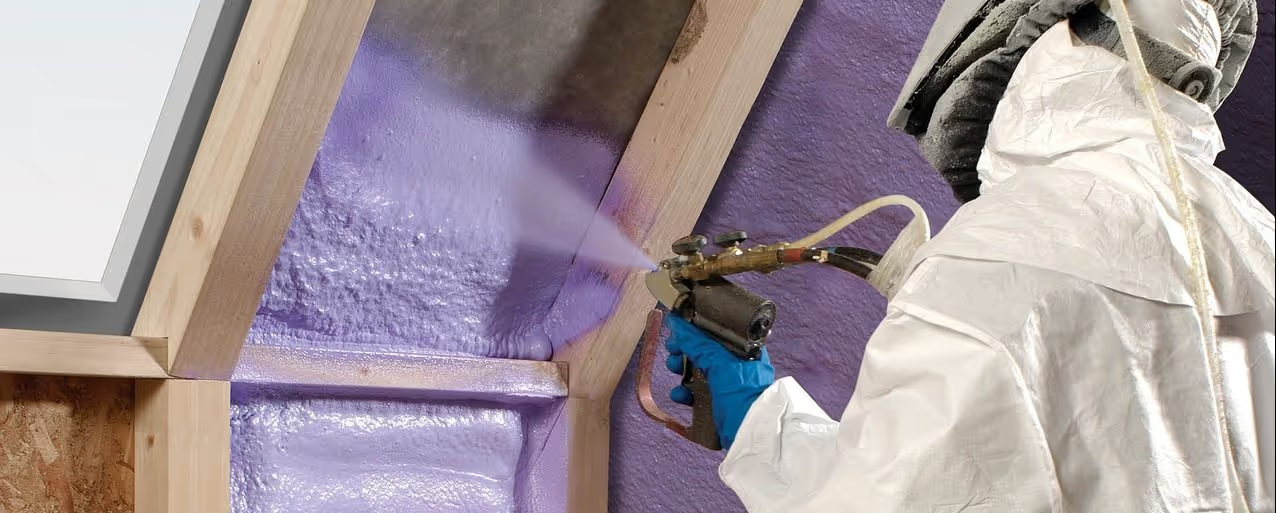
Isocyanate, an ingredient in polyurethane production, foam manufacturing, and protective coatings, has created an epidemic of preventable occupational lung diseases that employers and chemical manufacturers have long minimized or ignored entirely.
For workers whose breathing has been forever compromised by isocyanate exposure, legal action may force industry accountability and protect future generations from these devastating chemical injuries.
Understanding Isocyanate Health Effects and Disease Progression
Isocyanates are chemicals used in a wide range of manufacturing and industrial applications, and now known to be damaging to personal health, causing serious respiratory illnesses and may lead to cancer. These toxic chemicals are commonly used in foams and coatings such as paints and varnishes.
Though most widely used in the automobile and auto-body repair industry, Isocyanates are found in many work environments and incorporated into many unsuspecting materials including building insulation materials, spray-on polyurethane foam products and protective coatings for truck beds, trailers, boats, and household decks.
Isocyanates like methylene diphenyl diisocyanate (DMI) are a known cause of chronic respiratory disease and related cancers. Death from severe asthma in some sensitize victims have been reported.
Joe Lyon is a highly-rated Toxic Injury Lawyer who has represented individuals nationwide in toxic tort claims.
If you have been exposed to an Isocyanate chemical, and have questions about your legal rights, please contact The Lyon Firm.
Workplace Isocyanate Exposure
Workers in automotive spray painting and construction trades face the highest exposure risks during routine job functions. The widespread industrial use of these chemicals means that exposure incidents occur across diverse workplace environments, from large manufacturing facilities to small automotive repair shops.
Recent studies indicate that thousands of American workers may be exposed to Isocyanate materials. The most common form of toxic exposure occurs around car body repair shops and industrial painting companies. Also, an estimated 10,000 U.S. workers are potentially exposed to the same chemicals during spray-on truck bed lining operations.
Other jobs that may involve exposure to isocyanates include painting, foam-blowing, and the manufacture of many toxic Polyurethane products, such as insulation materials, surface coatings, car seats, furniture, foam mattresses, under-carpet padding, laminated fabrics, polyurethane rubber, and adhesives.
Occupations at Risk of Isocyanate Exposure
Any worker exposed to toxic products that contain Isocyanate could be at risk of developing a serious respiratory illness. Occupations associated with heavy Isocyanate exposure include the following positions:
- Insulators
- Painters
- Miners
- Car mechanics
- Body shop workers
- Millworkers
- Door manufacturing
- Transportation services
- Welders
- Railroad maintenance crew
Tasks Associated with Toxic Isocyanate Exposure
- Spray Painting
- Spray Foam Insulating
- Welding
- Sanding
- Grinding
- Resurfacing
- Masking
- Demasking
- Mixing
- Cleaning
Isocyanate-Related Illnesses
Isocyanates are the leading chemical cause of occupational asthma in the United States. Symptoms of exposure often continue after exposures have been terminated. Minor respiratory irritation may progress to chronic respiratory symptoms. Affected workers often have to leave their jobs because of a building respiratory condition.
Exposure to Isocyanates can cause issues related to the irritation of the skin, mucous membranes, eyes, and respiratory tract. The most common adverse health outcomes associated with Isocyanate exposure are respiratory-related. As little as a few hours of exposure to the chemicals can initiate certain symptoms. Potential symptoms of an Isocyanate exposure condition include:
- Hypersensitivity
- Contact dermatitis
- Rashes and hives
- Inflammation of the extremities
- Coughing, wheezing, and shortness of breath
- Fever and nausea
- Tightness in the chest
- Nocturnal awakening
- Fatigue
- Weight loss
Industrial Isocyanate Materials
A wide variety of manufactured goods and common materials used at home and the workplace contain hazardous chemicals Some of the most common Isocyanate-containing products may include:
- Spray-on polyurethane products
- Industrial foams
- Wood coatings
- Varnishes
- Adhesives—Rock glue
- Rubber sealants
- Molding compounds
- Surface coatings
- Industrial valves
- Cooling and Freezing Appliances
- Automobile parts
- Truck bed liners
- Aircraft components
- Brass and copper castings
- Paints—Epoxy and polyeruthane paints
- Processed wood products
- Surgical instruments
Toxic Polyurethane Foam Spray
Spray polyurethane foam is widely used as a building material, known for its ability to improve energy efficiency. It insulates better per inch than fiberglass, which translates to energy savings in heating and cooling.
But polyurethane spray foam’s chemical makeup includes substances that are toxic and hazardous. Spray polyurethane foam contains isocyanates, polyol, flame retardants and amine catalysts. These chemicals create hazardous fumes and if the chemicals are not mixed properly, they can remain toxic.
Toxic Exposure Prevention Measures
Due to thousands of American workers falling ill after Isocyanate exposure, the National Institute for Occupational Safety and Health (NIOSH) has published several studies that reveal the serious consequences of toxic chemical exposure to certain groups of workers.
For years the health agency has urged chemical companies and employers to improve toxic exposure prevention in the workplace.
If companies ignore the safety of their workers, they are acting irresponsibly and are liable for the Workplace Ventilation Risks sustained by their employees. The federal agency recommends the following prevention measures:
- Engineering controls, such as closed systems and ventilation
- Use of personal protective equipment—respirators and protective clothing
- Early recognition and elimination of exposures
- Proper disposal and cleaning of protective clothing
- Face-shield and apron use when there is a possibility of liquid splash or spill
- Periodic medical surveillance programs for all exposed workers
Isocyanate Injury Lawsuits
Employers that fail to provide safe working environments and protect employees may face personal injury claims if they knew the dangers of potential toxins and still took no action. Corporations that manufacture dangerous Isocyanate chemicals and other hazardous substances are also targets for victims and their attorneys.
Four large chemical companies, including BASF Corporation, Bayer, Dow Chemical Company and Huntsman International, have recently been named in a multi-billion dollar lawsuit that claims the companies have been selling harmful Isocyanate chemicals, and intentionally concealing their inherent dangers to consumers and the U.S. Environmental Protection Agency (EPA).
Experienced. Compassionate. Consumer Advocates
The Lyon Firm is a Cincinnati, Ohio-based law firm, representing individuals nationwide in class action, product liability, and toxic exposure litigation.

.avif)
Why are these cases important?
Toxic exposure cases help empower employees to fight for their right to be satisfactorily informed and to stay safe. They also bring awareness to challenge and raise the expectations of companies that are not serving their employees justly.
Handling Complex Data Privacy & Cyber Security Cases
Request A Free Consultation Now

Questions about Isocyanate Exposure

Chronic or acute isocyanate exposure can lead to occupational lung diseases, cancers, skin conditions and severe allergic reactions.
Early symptoms include persistent coughing, wheezing, chest tightness, shortness of breath, and skin irritation that worsen during work hours and improve away from the workplace. Eye irritation and throat irritation are also common initial signs.
Workers may experience flu-like symptoms or notice respiratory problems developing gradually over weeks or months of exposure. The key indicator is symptom patterns that correlate with workplace activities involving polyurethane products or foam manufacturing processes.
Yes, workers’ compensation and third-party lawsuits can often be pursued simultaneously. While workers’ comp provides medical coverage and wage replacement, third-party claims against chemical manufacturers, equipment suppliers, or other responsible parties may offer additional compensation for pain and suffering, full lost wages, and punitive damages.
These parallel legal actions address different aspects of your case and don’t typically interfere with each other, though coordination between claims is important for maximizing recovery.
Toxic Exposure Lawsuits
Request a Free Consultation
Taking the first step doesn’t have to be complicated. In just a few minutes, you can share the basics of your case, and our team will guide you from there:
- It begins with a few simple questions about your situation.
- From there, a member of our legal team reviews your case.
- Together, we’ll chart the path forward, helping you take the next step toward resolution.
