

Allied Chemical Asbestos Exposure Lawsuit
Former Allied Chemical workers diagnosed with mesothelioma may qualify for compensation.




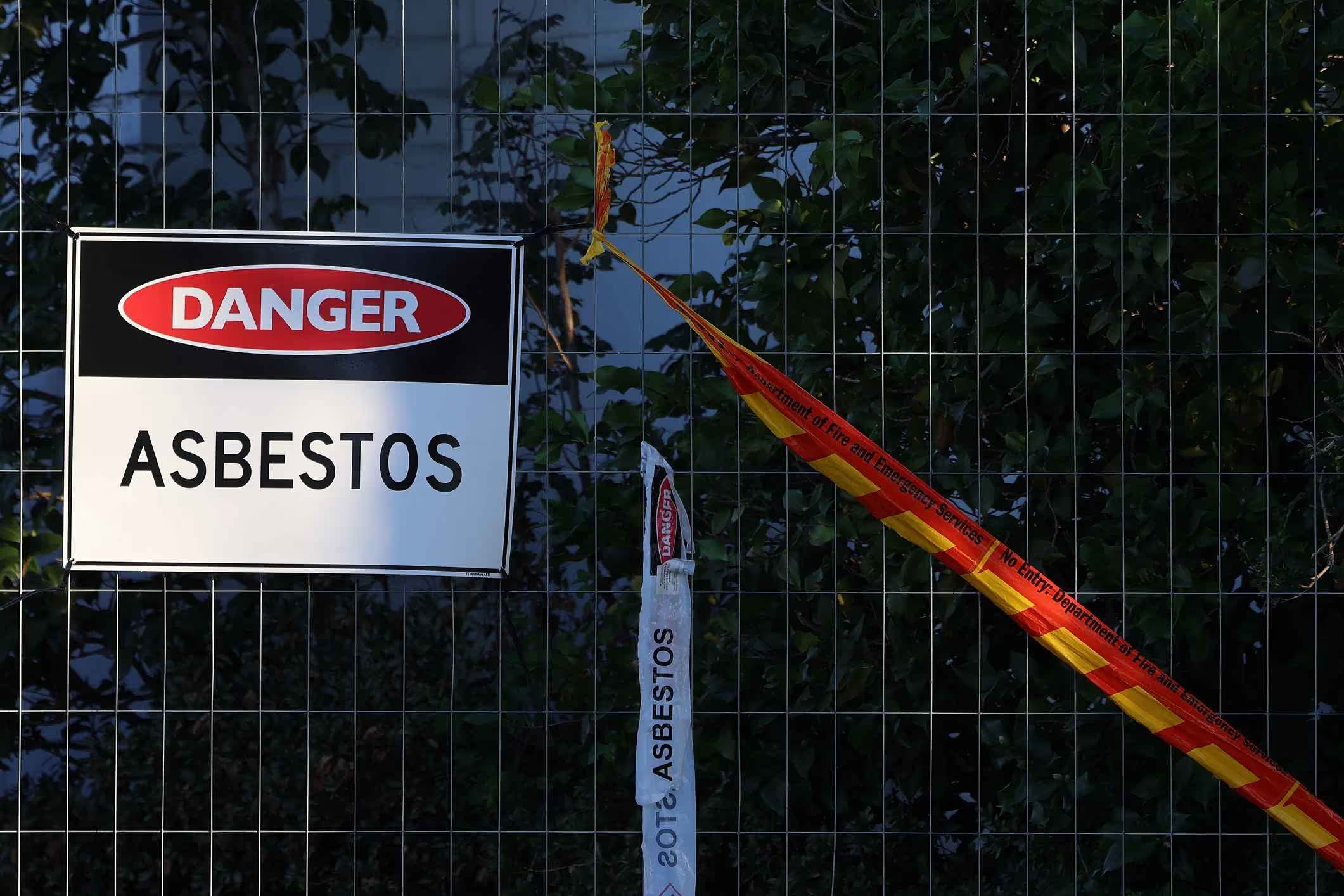
Allied Chemical operated manufacturing facilities across the United States, including chemical plants, coke production facilities, and industrial processing operations. Employees working around boilers, steam pipes, industrial insulation, and other high-temperature equipment may have encountered asbestos-containing materials during their careers.
For former employees diagnosed with mesothelioma, lung cancer, or asbestosis, Allied Chemical asbestos exposure may be an important part of their medical and employment history. These diseases can develop decades after exposure, often long after a plant has closed or changed ownership.
The Lyon Firm represents workers and families affected by occupational asbestos exposure. If you or a loved one developed an asbestos-related disease after working at Allied Chemical or a related industrial facility, call (513) 381-2333 for a free consultation or contact our legal team online.
“When someone is diagnosed with mesothelioma decades after working around asbestos, they often have no idea which companies were responsible for the products they encountered. Part of our job is putting that history back together and finding every available source of compensation.”
— Joe Lyon, Founding Attorney, The Lyon Firm
What Is Allied Chemical?
Allied Chemical traces its history to 1920, when five chemical companies combined to form Allied Chemical & Dye Corporation. The founding companies included General Chemical, Barrett, National Aniline and Chemical, Solvay Process, and Semet-Solvay.
The company manufactured chemicals and industrial materials used in a wide range of industries. Its operations included chemical processing, coke production, fertilizers, plastics, and other manufacturing activities.
The company's name and corporate structure changed several times:
- 1920: Allied Chemical & Dye Corporation was established.
- 1958: The company became Allied Chemical Corporation.
- 1981: The name changed to Allied Corporation.
- 1985: Allied merged with the Signal Companies, forming Allied-Signal.
- 1999: AlliedSignal acquired Honeywell and adopted the Honeywell name.
These corporate changes matter when investigating historical exposure because a former employee may remember working for Allied Chemical, Semet-Solvay, or another company name associated with the same industrial operations.
Allied Chemical and Semet-Solvay Operations
Semet-Solvay was one of the companies that formed Allied Chemical & Dye Corporation. Its industrial operations included coke production, which involved heating coal to produce fuel and chemical byproducts.
In Ironton, Ohio, Allied Chemical operated facilities associated with coke production, tar processing, and other industrial activities. Historical records identify Semet-Solvay, Barrett, and Plastics divisions in Ironton during different periods.
The U.S. Environmental Protection Agency has documented the former Allied Chemical and Ironton Coke industrial site, including its coke plant and tar-processing operations. The EPA's environmental cleanup records concern industrial contamination and do not, by themselves, establish asbestos exposure at the facility.
How Was Asbestos Used at Allied Chemical Plants?
Asbestos was widely used in industrial manufacturing because of its resistance to heat and fire. Chemical production facilities relied on equipment operating at elevated temperatures, making insulation an important part of plant construction and maintenance.
Historically, asbestos-containing products were used in industrial applications such as:
- Pipe insulation: Heat-resistant materials covering steam lines and other heated piping
- Boiler insulation: Insulating materials installed around boilers and associated equipment
- Gaskets: Sealing materials used between pipe flanges, valves, and machinery components
- Valve and pump packing: Materials used to prevent leaks in mechanical systems
- Insulating cement: Compounds applied around pipes and high-temperature equipment
- Fireproofing: Materials designed to protect industrial structures and equipment from heat
- Electrical insulation: Certain products used around heat-producing electrical systems
Not every material installed at an Allied Chemical facility contained asbestos. Determining which products were present requires examining the specific plant, equipment, suppliers, and years of employment.
How Did Allied Chemical Workers Encounter Asbestos?
Asbestos fibers can become airborne when materials containing them are cut, scraped, damaged, removed, or otherwise disturbed.
Workers may have encountered asbestos during:
- Boiler repairs and maintenance
- Replacement of pipe insulation
- Removal of old gaskets and valve packing
- Pump and machinery repairs
- Equipment shutdowns and overhauls
- Renovation of older plant buildings
- Demolition or removal of industrial equipment
- Cleanup of insulation debris and dust
Exposure was not necessarily limited to employees installing or removing insulation. Chemical production operators, electricians, mechanics, and other workers could have been nearby when asbestos-containing materials were disturbed.
Which Allied Chemical Workers Were at Risk of Asbestos Exposure?
Chemical manufacturing involved numerous trades working around shared equipment and production areas. Some employees maintained industrial systems, while others operated machinery or worked alongside maintenance crews.
Occupations potentially associated with asbestos exposure included:
- Chemical plant operators
- Pipefitters and steamfitters
- Boilermakers
- Industrial electricians
- Maintenance mechanics
- Millwrights
- Insulators
- Welders
- Engineers
- Pump operators
- Construction contractors
- Laborers and cleanup crews
- Equipment repair technicians
- Coke plant workers
Maintenance employees may have encountered asbestos while removing or replacing insulation, gaskets, and other components. Production workers could have inhaled fibers released by nearby repairs.
A worker's occupation, daily responsibilities, and proximity to asbestos-containing materials are important when determining whether an exposure claim is supported.
List of Allied Chemical Plant Asbestos Locations
Allied Chemical and its predecessor companies operated industrial facilities in numerous states. The following locations have been identified in the existing Allied Chemical exposure listing:
- Ohio: Youngstown, Toledo, South Point, Ironton
- Kentucky: Ashland
- Michigan: Detroit
- Pennsylvania: Philadelphia, Newell, Frankford
- California: El Segundo, Lynwood, Richmond, Port Chicago, Carson, Bay Point
These locations provide a starting point for researching historical employment and possible exposure. The listing does not establish that asbestos was used at every location or that every facility operated under the same company name throughout its history.
Workers should identify the specific facility, employment dates, department, and equipment involved when discussing a potential claim.
Allied Chemical Mesothelioma and Other Asbestos-Related Diseases
Asbestos fibers can become lodged in the lungs and surrounding tissues after inhalation. Some asbestos-related diseases develop over decades, making it difficult for former industrial workers to connect a diagnosis with employment from earlier in their lives.
Health conditions associated with asbestos exposure include:
- Mesothelioma: A cancer affecting the lining of the lungs, abdomen, or other organs
- Lung cancer: A malignancy associated with asbestos exposure, with smoking further increasing the risk
- Asbestosis: A chronic disease involving lung scarring
- Pleural plaques: Thickened areas of tissue associated with prior asbestos exposure
- Pleural thickening: Scarring or thickening of the tissue surrounding the lungs
- Esophageal cancer: A cancer for which asbestos has been investigated as a possible risk factor
- Colorectal cancer: Another cancer studied in connection with occupational asbestos exposure
The evidence linking asbestos to particular diseases varies. Mesothelioma, lung cancer, and asbestosis are among the best-established asbestos-related illnesses.
Symptoms of Mesothelioma and Asbestos Diseases
Symptoms may not appear until many years after exposure. Common warning signs include:
- Shortness of breath
- Persistent coughing
- Chest pain
- Unexplained weight loss
- Fatigue
- Difficulty breathing during physical activity
- Fluid buildup around the lungs
- Reduced appetite
These symptoms can also occur with other medical conditions. Anyone experiencing persistent respiratory symptoms should seek medical attention and inform their healthcare provider about past industrial asbestos exposure.
Secondary Asbestos Exposure Among Allied Chemical Workers' Families
Asbestos exposure could extend beyond the workplace.
Workers sometimes carried asbestos fibers home on clothing, shoes, hair, and personal belongings. Family members who washed dusty work clothes or had regular close contact with the worker could have inhaled fibers.
This is known as secondary or take-home asbestos exposure.
A person who never worked at a chemical plant may still have a relevant exposure history if a spouse, parent, or other household member regularly brought asbestos dust home.
Investigating these cases may require information about the employee's occupation, workplace conditions, and the household's contact with contaminated clothing or belongings.
What to Do if You Were Diagnosed With Mesothelioma After Working at Allied Chemical
A mesothelioma diagnosis often raises questions about jobs held decades earlier. The worker may remember the plant and equipment but have no knowledge of the manufacturers that supplied asbestos-containing materials.
Several steps can help preserve information relevant to a potential claim:
- Tell your healthcare provider about your work history. Include chemical plants, coke facilities, refineries, construction sites, and other industrial environments where you may have encountered asbestos.
- Gather employment information. Old pay records, union records, Social Security employment histories, and retirement documents may help establish where and when you worked.
- Write down what you remember. Job duties, equipment, coworkers, contractors, and maintenance projects may become useful during an investigation.
- Preserve medical documentation. Diagnostic reports, pathology findings, and treatment records help establish the nature of the illness.
- Speak with an asbestos attorney about potential claims. Filing deadlines and available compensation sources depend on the diagnosis, exposure history, and applicable law.
A former employee does not need to identify every asbestos product before seeking legal advice.
How Does The Lyon Firm Investigate Allied Chemical Asbestos Exposure?
Tracing asbestos exposure can be challenging when the relevant work occurred 30 or 40 years ago.
An attorney may begin with the information a former Allied Chemical employee remembers, including:
- Employment dates and plant location
- Job titles and departments
- Equipment used or maintained
- Contractors who worked at the facility
- Insulation or other materials encountered
- Coworkers who performed similar work
- Other industrial jobs held during the worker's career
That information can be compared with available historical records, product documentation, witness testimony, and prior asbestos litigation.
An investigation may identify several manufacturers or suppliers connected to the same person's exposure. The companies legally responsible for a claim are not necessarily limited to the worker's employer.
Joe Lyon Explains How Mesothelioma Cases Are Investigated
Joe Lyon discusses the challenges of tracing historical asbestos exposure, identifying industrial equipment and manufacturers, and pursuing claims against companies that may still be legally responsible.
Workers often encountered asbestos products from multiple manufacturers throughout their careers. Identifying those products may reveal claims that would otherwise be overlooked.
If you worked at Allied Chemical and have since developed an asbestos-related illness, your employment history could help identify potential sources of compensation. Call The Lyon Firm at (513) 381-2333 or request an asbestos case review online.
What Kind of Settlement Can an Allied Chemical Asbestos Exposure Lawyer Secure?
Compensation in an asbestos case depends on the diagnosed illness, available evidence, responsible companies, and applicable law.
Potential damages may include:
- Medical expenses: Hospitalization, surgery, medications, treatment, and ongoing care
- Lost wages: Income lost because an illness prevents someone from working
- Reduced earning capacity: Future income losses associated with a serious diagnosis
- Pain and suffering: Physical discomfort and other legally compensable effects of the illness
- Caregiving expenses: Assistance required because of declining health
- Wrongful death damages: Qualifying losses suffered by surviving family members
- Funeral and burial expenses: Costs that may be recoverable in an eligible wrongful death claim
- Punitive damages: Additional damages that may be available in certain cases under applicable law
Workers' compensation benefits may also be relevant in some circumstances, although those claims follow different rules from lawsuits against asbestos product manufacturers.
No attorney can guarantee a particular settlement amount. The strength and value of a case depend on its individual facts.
Allied Chemical Asbestos Lawsuits and Bankruptcy Trust Claims
An asbestos-related illness may involve exposure to products manufactured by several different companies.
Some asbestos manufacturers remain subject to litigation. Others entered bankruptcy and established trusts to compensate people with qualifying asbestos-related diseases.
Potential compensation sources include:
- Lawsuits against legally responsible companies: Claims involving asbestos products or other conduct for which a company may be held liable
- Asbestos bankruptcy trust claims: Claims submitted to trusts established by bankrupt asbestos manufacturers
- Wrongful death claims: Legal actions that may be available to eligible surviving family members or estate representatives
Each bankruptcy trust has its own exposure and medical requirements. Employment at an Allied Chemical facility does not automatically qualify someone for a particular trust.
Corporate succession is also important. Allied Chemical eventually became part of the company now known as Honeywell, but that history does not automatically establish Honeywell's liability for a specific asbestos exposure. Responsibility depends on the applicable law and evidence.
What Does an Asbestos Exposure Lawyer Do for Your Case?
A lawyer investigating asbestos exposure at Allied Chemical must determine where exposure occurred, which products were involved, and what legal claims remain available.
The process may involve:
- Investigating employment history: Reviewing the worker's positions, job sites, and years of employment
- Identifying asbestos products: Researching manufacturers and suppliers associated with relevant industrial equipment
- Reviewing medical records: Documenting the diagnosis and its relationship to asbestos exposure
- Evaluating responsible parties: Determining which companies may face legal claims
- Preparing trust fund submissions: Identifying qualifying trusts and assembling required evidence
- Negotiating settlements: Pursuing compensation through available legal channels
- Litigating claims: Preparing and presenting a case in court when necessary
Asbestos litigation often involves individual lawsuits and trust claims rather than traditional class actions. Each person's diagnosis, exposure history, and available defendants must be evaluated separately.
Why Choose The Lyon Firm for an Allied Chemical Asbestos Claim?
The Lyon Firm represents individuals and families nationwide in asbestos litigation, toxic exposure cases, and complex product liability claims.
Joe Lyon has handled occupational asbestos cases involving industrial workers and their families. The firm has secured significant recoveries, including:
- $3.27 million mesothelioma settlement involving occupational asbestos exposure
- $2.3 million mesothelioma settlement for the family of a steel worker exposed to asbestos on the job
In the $2.3 million case, the worker was diagnosed with pleural mesothelioma and died only weeks later. Joe Lyon met with the family at their home on the day they contacted the firm and made additional hospital visits as the illness progressed.
The firm investigated historical exposure and used information from prior asbestos litigation to pursue claims against responsible companies.
That experience is relevant to former Allied Chemical employees whose exposure may have involved multiple manufacturers and industrial facilities.
“In a desperate life-altering crisis, Joe Lyon quietly entered my life. My husband was losing battle with mesothelioma. Joe came respectfully, professionally, kindly and beneficially towards our family. I felt he was Heaven sent. It has been an honor to know and work with Joe.”
— Marlene Beal | Asbestos Client
Experienced. Compassionate. Consumer Advocates
The Lyon Firm is a Cincinnati, Ohio-based law firm, representing individuals nationwide in class action, product liability, and toxic exposure litigation.


Speak With The Lyon Firm About an Allied Chemical Asbestos Claim
Former Allied Chemical workers may have been exposed to asbestos many years before receiving a diagnosis. By that time, plants may have closed, employers changed names, and the products involved may no longer be manufactured.
The Lyon Firm investigates historical industrial exposure to identify potentially responsible companies and available sources of compensation.
If you or a loved one has been diagnosed with mesothelioma, lung cancer, or another asbestos-related disease after working at Allied Chemical, call (513) 381-2333. You can also contact The Lyon Firm online for a free consultation about your legal options.
Allied Chemical Asbestos Exposure FAQs

Asbestos is a group of naturally occurring minerals whose fibers resist heat and fire. Manufacturers historically used asbestos in insulation, gaskets, packing, cement, and other industrial products.
Chemical plants relied on high-temperature equipment, making these materials common in older industrial settings. Exposure could occur when asbestos-containing products deteriorated or were disturbed during maintenance and repairs.
Not necessarily. The evidence required depends on the legal claims being pursued and the companies involved.
Some claims focus on manufacturers or suppliers of asbestos-containing products rather than the employer itself. An attorney must determine which parties may be legally responsible and what evidence is necessary under applicable law.
Possibly. A plant closure does not automatically eliminate claims related to historical asbestos exposure.
Employment records, coworker testimony, historical product information, and other documents may help establish exposure even when the original facility is no longer operating.
Some manufacturers established asbestos bankruptcy trusts to compensate eligible claimants.
A person diagnosed with an asbestos-related disease may qualify for a trust claim if the required medical and exposure evidence is available. Separate legal claims may also exist against companies that remain subject to litigation.
Potentially. Employment at multiple plants may be relevant because equipment, suppliers, and asbestos-containing products could have differed between locations.
An attorney should review the dates, duties, and work environments associated with each facility, along with any other industrial employment.
Yes. Asbestos lawsuits are subject to filing deadlines that vary by jurisdiction and type of claim. Bankruptcy trusts also maintain their own filing requirements.
Because asbestos-related illnesses often develop decades after exposure, the original employment date is not necessarily the date that controls every filing deadline. The diagnosis, date of death in a wrongful death case, applicable law, and other circumstances must be considered.
Asbestos Verdicts & Settlements
Estate of Steve Thomas v. AK Steel Corporation, et al.
Summary: PHILADELPHIA COUNTY, Pennsylvania – Co-counsel represented the surviving spouse of a steel mill worker who developed mesothelioma after years of asbestos exposure on the job. The case resulted in a settlement exceeding $2.7 million.
Estate of William P. Bush v. AK Steel Corporation, et al.
Summary: MADISON COUNTY, Illinois – Co-counsel represented the family of a steel mill worker who suffered asbestos exposure that later led to mesothelioma. The case resulted in a settlement exceeding $2.3 million.
Asbestos Lawsuits
Request a Free Consultation
Taking the first step doesn’t have to be complicated. In just a few minutes, you can share the basics of your case, and our team will guide you from there:
- It begins with a few simple questions about your situation.
- From there, a member of our legal team reviews your case.
- Together, we’ll chart the path forward, helping you take the next step toward resolution.
