

Florida Railroad Diesel Cancer | Toxic Exposure Lawsuits
Filing Toxic Exposure Cancer Lawsuits on behalf of Florida Railroad Workers


.avif)


Florida Diesel Cancer Claims
Florida has a significant rail network that has helped the state’s economy flourish for the last half of a century. The railroad industry, however, has had a dubious health and safety record due to the nature of the work for many employees.
Thousands of Florida railroad workers may have been exposed to numerous toxic materials at the workplace, including diesel fumes, benzene, asbestos, silica, solvents, lead paint, welding fumes, herbicides and creosote. Each of the above substances has its own list of potential medical hazards, and chronic exposure to one or all of them can increase the risk of a number of related occupational cancers.
The following rail yards in Florida may have had toxic substances on site:
- Baldwin: Baldwin Yard (CSX)
- Bradenton: Tropicana Yard (CSX)
- Fort Pierce: Fort Pierce Yard (Florida East Coast)
- Hialeah: Hialeah Yard (CSXT/Tri-Rail/Amtrak)
- Jacksonville: Bowden Yard (Florida East Coast)
- Jacksonville: Duval Yard
- Jacksonville: Moncrief Yard (CSX—Former Seaboard Coast Line)
- Jacksonville: Simpson Yard (NS)
- Lakeland: Winston Yard (CSX)
- New Smyrna Beach: New Smyrna Beach Yard (Florida East Coast)
- Miami: Hialeah Yard (Florida East Coast)
- Orlando: Taft Yard
- Tampa: Rockport Yard, Uceta Yard, and Yeoman Yard
- Winter Haven: Central Florida Intermodal Logistics Center
What Florida Railroad Workers Face Cancer Risks?
Many former railroaders in the South have developed lung cancer, AML, and several other lung diseases and serious medical conditions related to toxic exposures at rail yards.
- Reports from engineers, carmen, trackmen, brakemen, conductors, signal operators and many others in the field suggest that almost any worker could have faced a daily assault of diesel exhaust emitted from diesel locomotives.
- Maintenance of way crews have perhaps one of the more significant cancer risks due to exposures to ballast dust, silica sand, creosote, coal tar pitch, pesticides and diesel.
- Welders, pipefitters, boilermakers, machinists and diesel mechanics have long worked in poorly ventilated workshops in or around rail yards, contributing to poor health in many cases.
What Can Plaintiffs Recover in Railroad Cancer Settlements?
The Lyon Firm can assess your individual FELA railroad injury claim and determine a fair compensation package. In the past, we have been able to successfully negotiate the following:
- Compensation for all medical expenses, including specialist consultations, hospital visits and treatment programs
- Coverage for related medication, surgeries and rehab
- All related medical costs not fully covered by your basic health insurance
- Expenses related to follow-up therapy and long-term disability
- Lost earnings if a worker has to stop working due to an occupational illness or injury
- Loss of future earnings if a worker cannot return to the same position in the same capacity.
What Diseases Are Associated With Diesel Exposure?
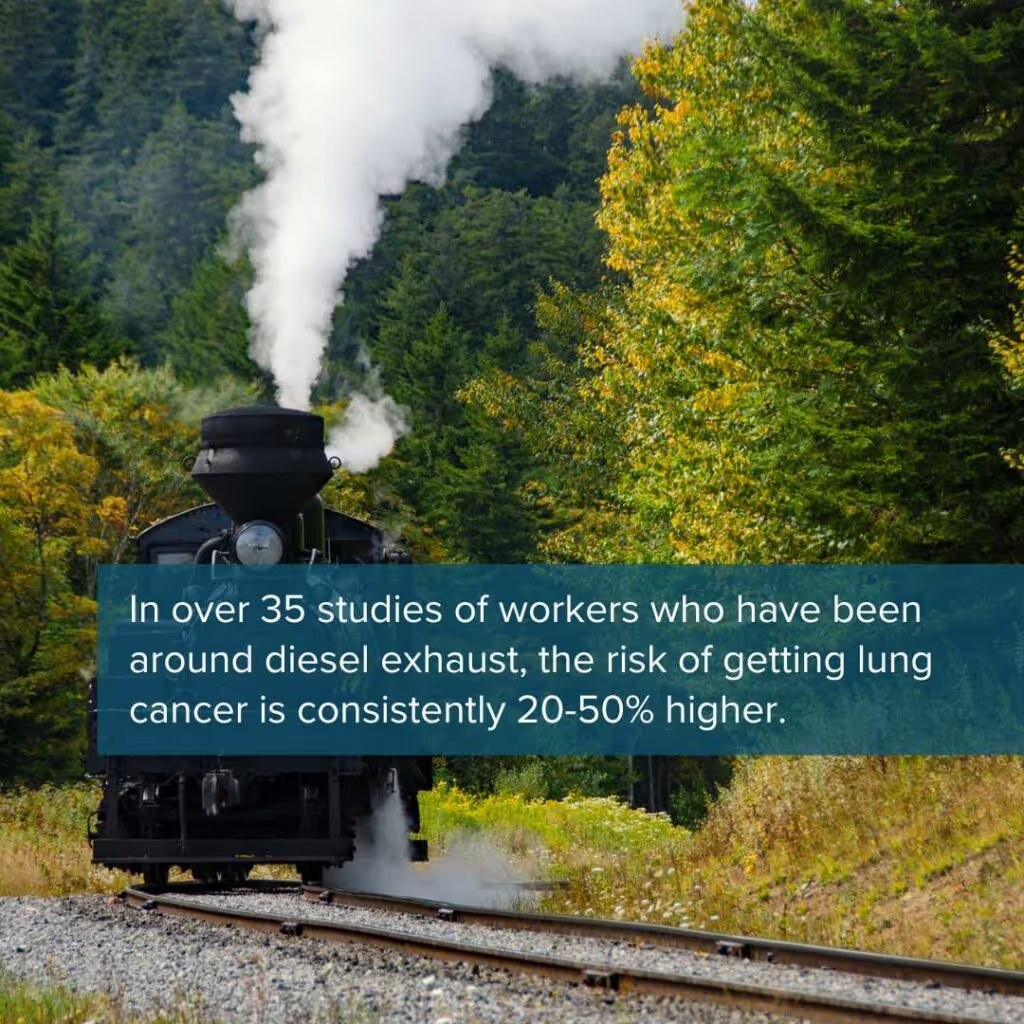
There are numerous occupational cancers and lung diseases that have strong associations to chronic exposure to solvents, lead paint, ballast dust, silica sand, asbestos, diesel exhaust, benzene, creosote and welding fumes, including the following:
- Lung Cancer
- Bladder Cancer
- Esophageal Cancer
- Nasopharyngeal Cancer
- Stomach Cancer
- Kidney Cancer
- Acute Myeloid Leukemia (AML)
- Myelodysplastic Syndrome (MDS)
- Acute Lymphocytic Leukemia (ALL)
- Chronic Lymphocytic Leukemia (CLL)
- Non-Hodgkin’s Lymphoma
- Multiple Myeloma
- Aplastic Anemia
- COPD (Chronic Obstructive Pulmonary Disease)
- Emphysema
- RADS (Reactive Airways Dysfunction Syndrome)
- Interstitial Lung Disease
- Pulmonary Fibrosis
Experienced. Compassionate. Consumer Advocates
The Lyon Firm is a Cincinnati, Ohio-based law firm, representing individuals nationwide in class action, product liability, and toxic exposure litigation.

Handling Complex Data Privacy & Cyber Security Cases
Request A Free Consultation Now

.avif)
Why Hire The Lyon Firm?
Joe Lyon and his team of toxic exposure attorneys have two decades of experience in filing work injury and FELA lawsuits on behalf of clients in all fifty states. The firm works closely with industry experts and can draw a direct link between a work history in a railroad position and a cancer diagnosis. We work tirelessly to build a strong case on your behalf, and to reach a fair settlement that can ensure a stable financial future for you and your loved ones. Our railroad diesel lawyers assume all tasks related to your case and all financial risks. Call for a free case review and consultation.
Florida Railroad Cancer FAQ

Paints and paint thinners, herbicides and pesticides, benzene-based solvents, creosote, silica, asbestos, welding fumes and diesel fuel fumes.
- Baldwin: Baldwin Yard (CSX)
- Bradenton: Tropicana Yard (CSX)
- Fort Pierce: Fort Pierce Yard (Florida East Coast)
- Hialeah: Hialeah Yard (CSXT/Tri-Rail/Amtrak)
- Jacksonville: Bowden Yard (Florida East Coast)
- Jacksonville: Duval Yard
- Jacksonville: Moncrief Yard (CSX—Former Seaboard Coast Line)
- Jacksonville: Simpson Yard (NS)
- Lakeland: Winston Yard (CSX)
- New Smyrna Beach: New Smyrna Beach Yard (Florida East Coast)
- Miami: Hialeah Yard (Florida East Coast)
- Orlando: Taft Yard
- Tampa: Rockport Yard, Uceta Yard, and Yeoman Yard
- Winter Haven: Central Florida Intermodal Logistics Center
Railroad Lung Cancer Lawsuits
Request a Free Consultation
Taking the first step doesn’t have to be complicated. In just a few minutes, you can share the basics of your case, and our team will guide you from there:
- It begins with a few simple questions about your situation.
- From there, a member of our legal team reviews your case.
- Together, we’ll chart the path forward, helping you take the next step toward resolution.
